
Automated Asset Tracking with AI for SLAs in Pharma Logistics
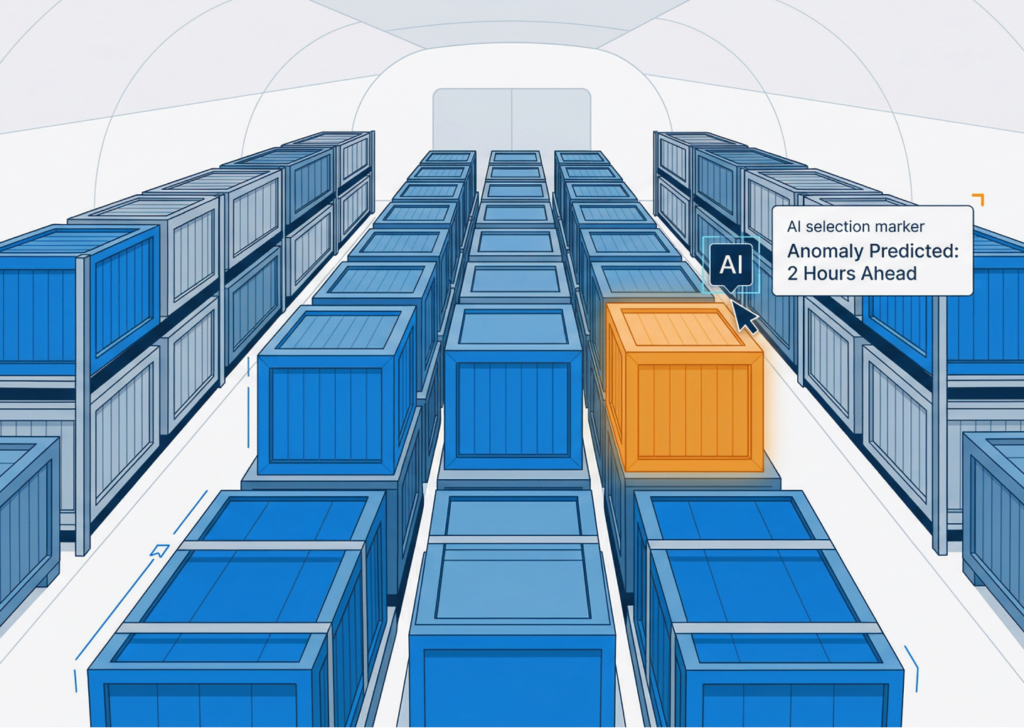
SLA issues in pharma logistics rarely begin at the moment of delay. They begin earlier: with missing context, late signals, disconnected records, and no system that can detect risk before compliance and delivery are already under pressure.
How Continuous Asset Monitoring Reduces SLA Escalations
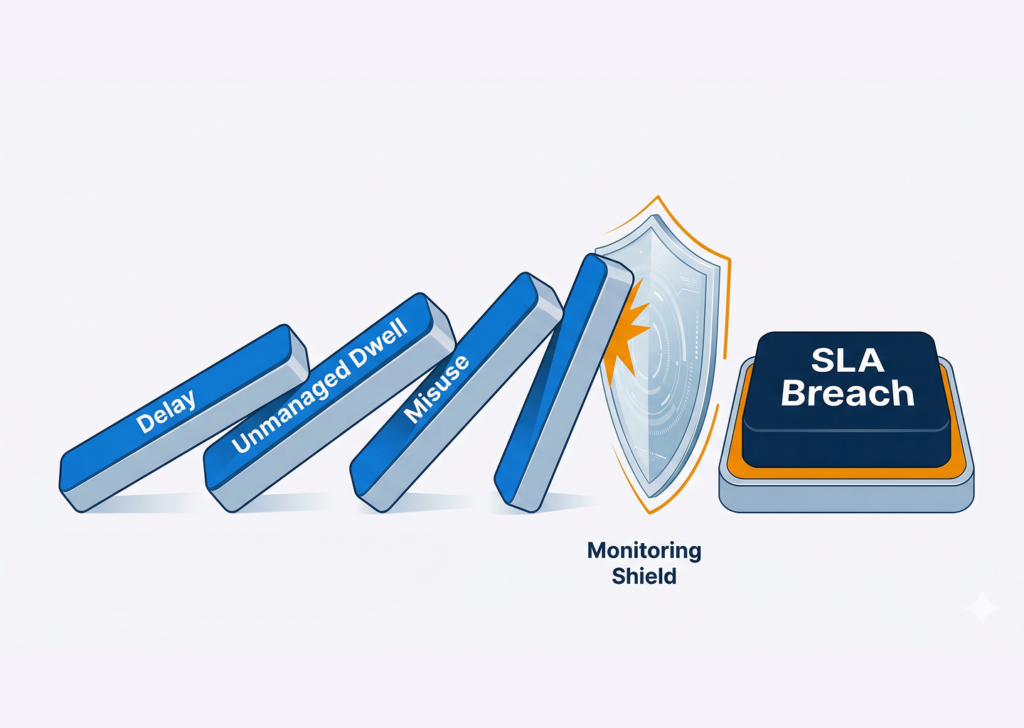
Many logistics teams still manage SLA risk with delayed updates, fragmented dashboards, and manual asset tracking. That makes it harder to detect issues while there is still time to act. This blog explores how continuous asset monitoring reduces logistics SLA escalations, where common asset tracking solutions fall short, and how SensaTrak supports stronger returnable asset monitoring through continuous operational visibility.
Why Manual Reporting Will Not Survive PPWR Enforcement
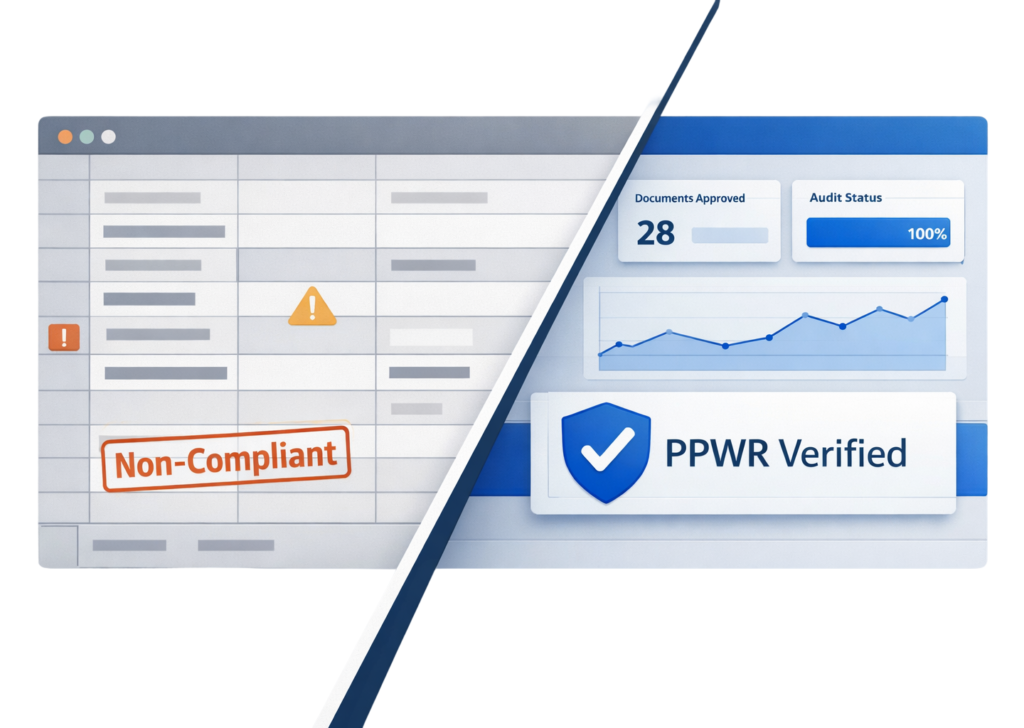
PPWR enforcement begins August 2026, and most logistics teams managing returnable assets are running their packaging data on spreadsheets and manual reconciliation processes. This blog covers why manual reporting will not be effective under PPWR requirements and what returnable asset operators need to change in their data infrastructure before enforcement begins.
European Sustainability Regulations & Returnable Assets
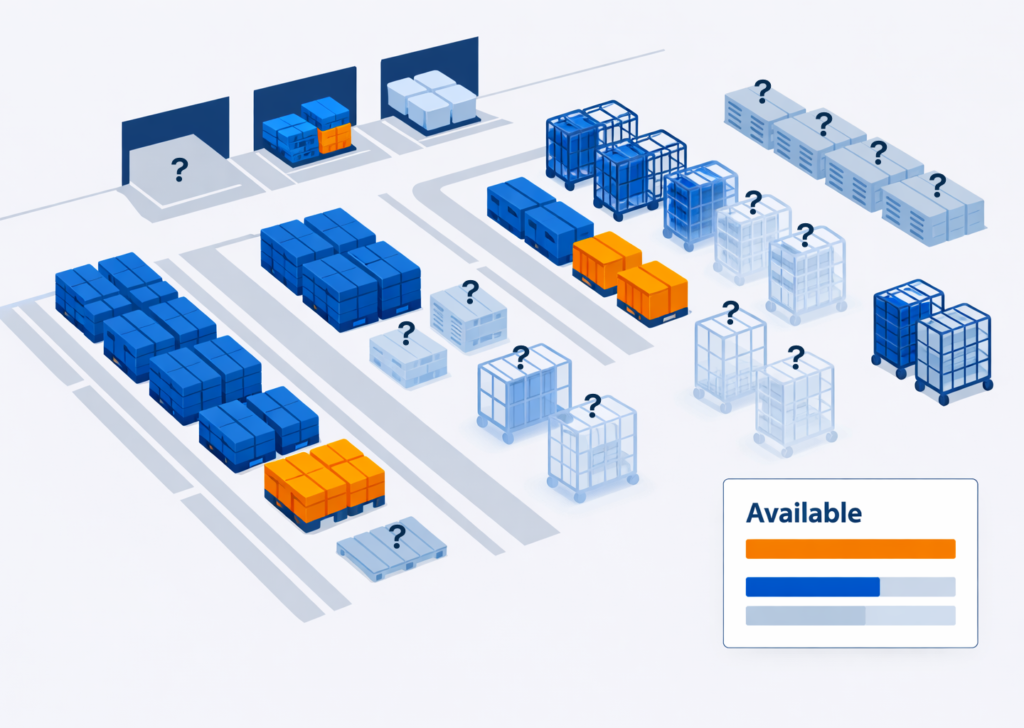
European sustainability regulations like PPWR, EPR, EN 12830, and GDP are creating specific data requirements for companies managing returnable assets. Most logistics teams know compliance deadlines are approaching but haven’t mapped out what their tracking systems actually need to capture at the asset level. This blog walks through each regulation and the specific data your infrastructure needs to produce to satisfy it.
5 Things That EU PPWR Changes for Returnable Asset Tracking and Reporting
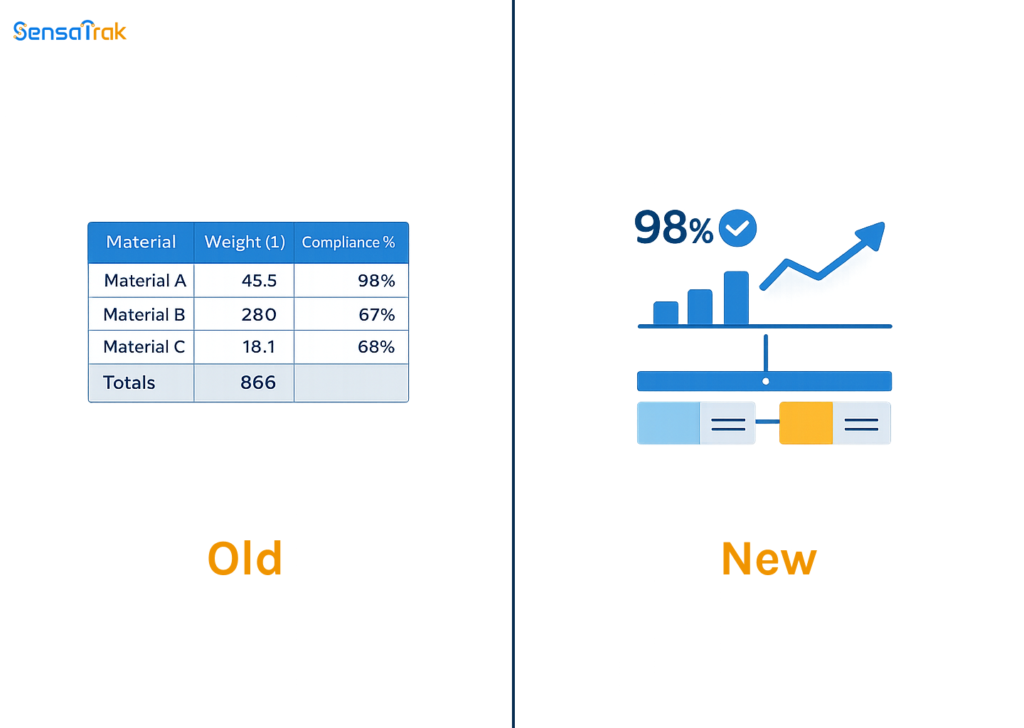
Under EU PPWR, returnable asset tracking is becoming more than just about managing the visibility application or tool. Logistics providers should be aware of the requirements of the EU PPWR and how it requires better data on asset identity, reuse activity, and movement if they want their tracking and reporting to hold up under growing sustainability and compliance pressure.
How Fragmented Asset Data Creates Sustainability & Compliance Exposure
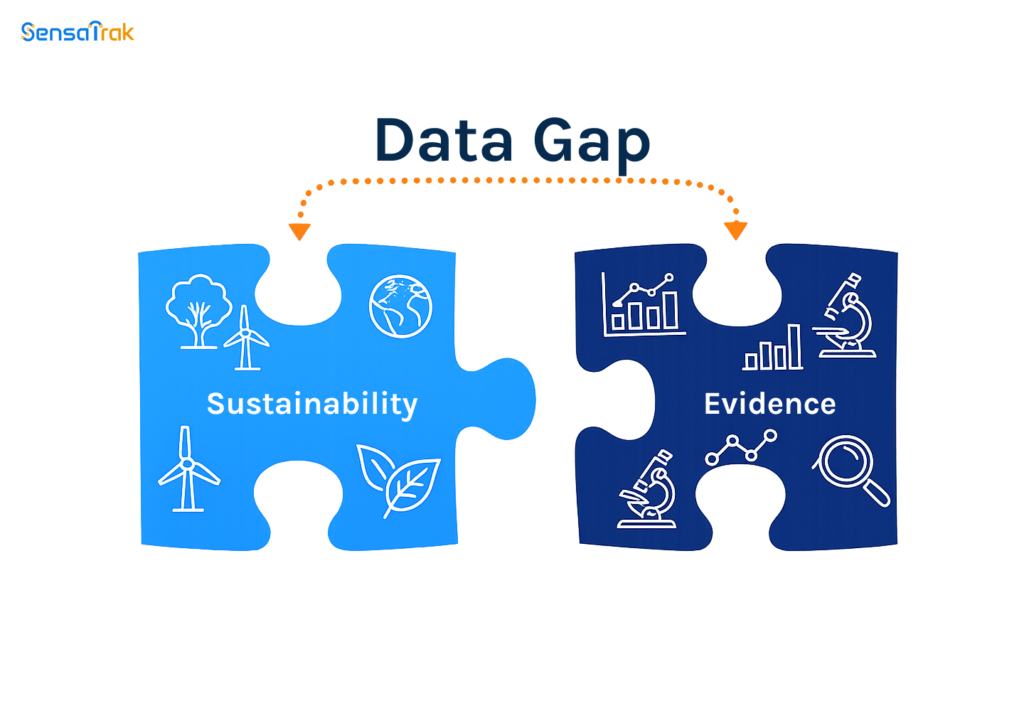
Fragmented asset data is no longer just an operational inefficiency. Under the EU PPWR and related sustainability reporting pressure, it becomes a compliance exposure because businesses must show structured proof of reuse, rotation, and lifecycle control across transport packaging. SensaTrak helps turn disconnected asset records into visibility that supports sustainability and compliance.
Cross-Border Tracking For Returnable Assets: Case for European Logistics

Returnable assets regularly cross national borders within European 3PL networks, but most asset tracking solutions lose data reliability at those crossings. Connectivity gaps, permanent roaming restrictions, and inconsistent network coverage create blind spots where visibility matters most. This blog explains why cross-border tracking breaks down in Europe and what asset tracking tools need to handle for multi-country operations.
How Noisy Tracking Data Leads to Poor Returnable Assets Operations
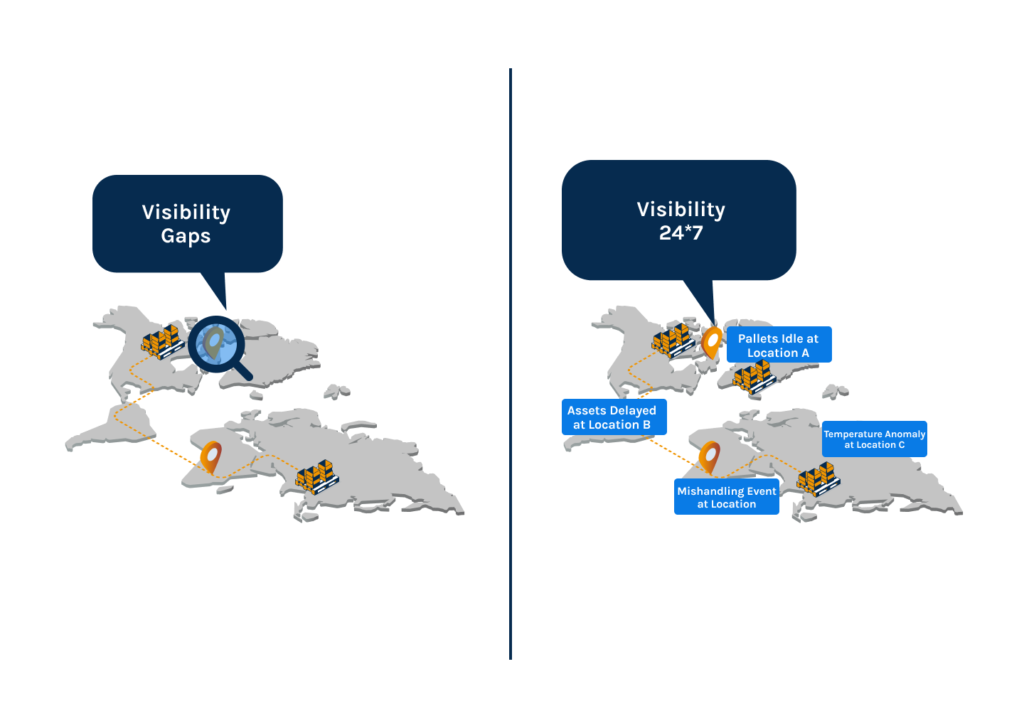
Tracking returnable assets like reusable pallets, roll cages, and specialized carriers generates enormous volumes of data. But when that data is extremely noisy and with signficant gaps and poorly integrated with operational systems, it makes your operations a hassle. Here, we explain why solving data quality shouldn’t be a daily task for logistics and how better technology can solve it.
Why GPS Alone Cannot Support Reuse-Heavy Asset Tracking

GPS tracking technology tells you where your asset is. But today’s reuse-heavy logistics require knowing not just location and route, but what happens to your assets in real-time. Let’s get to know GPS technology in greater detail and why it fails to add to asset visibility. Over the last decade, GPS (Global Positioning System) trackers have defined the asset tracking industry. From fleet management to container monitoring, GPS […]
Battery Life & Data Gaps: What 3PL Operators Must Check in Returnable Asset Tracking Solutions

In 3PL logistics, the only thing that matters is the speed and the cost of delivery. For your asset tracking solutions, the most important part is to keep up with your speed and cost. So, what operational factors enable your asset tracking solutions to perform better? If you’re into 3PL and warehouse operations, you’d have surely heard or dealt with returnable asset tracking solutions. And you’d also know how ubiquitous the use of asset trackers is. […]