
Why SLAs in Logistics Fail Without End-to-End RTI Visibility
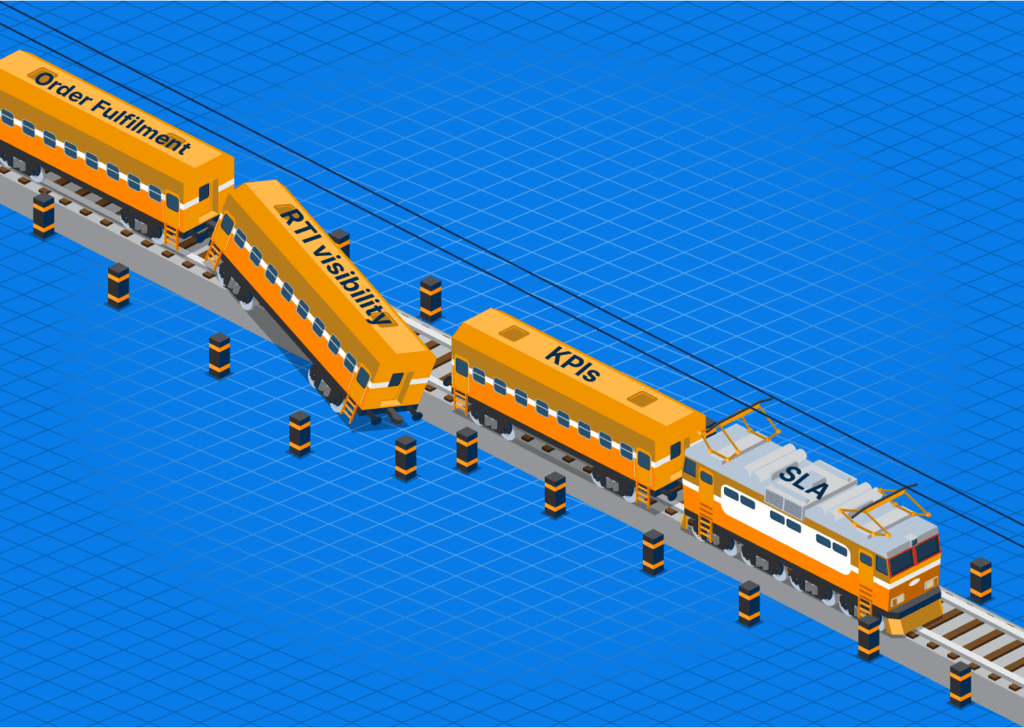
Logistics SLAs depend on RTIs more than most teams realize. When returnable assets lack visibility, SLA breaches, asset shortages, and sustainability failures follow. This blog explores why RTI visibility and operations observability are critical to enforcing SLAs in modern logistics operations.
When Returnable Assets Go Missing: Inside a Mn USD Annual Capital Drain
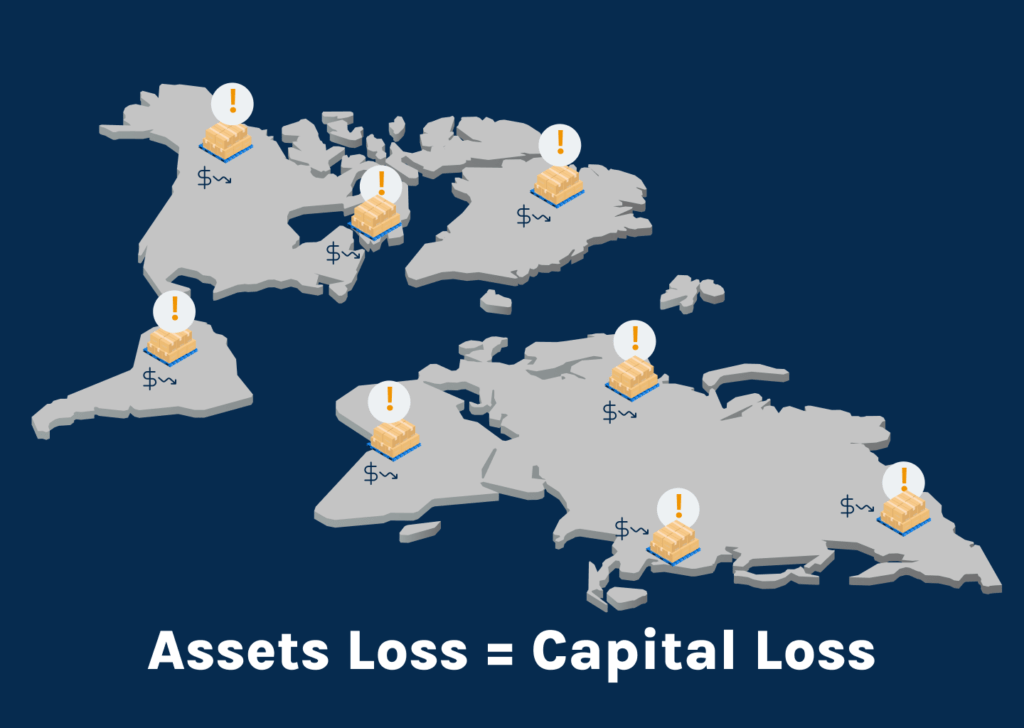
Your returnable assets fleet is the biggest drain on your capital. Yeah. You heard that right. Not your operations team, nor the vendors who overprice at times to make up their margins, not even the ever-changing regulations that add even more complexity to supply chain operations. It is the plastic pallets, the roll cages and the extremely crucial non-powered carriers that you need […]
Five Structural Challenges of Returnable Assets Ops
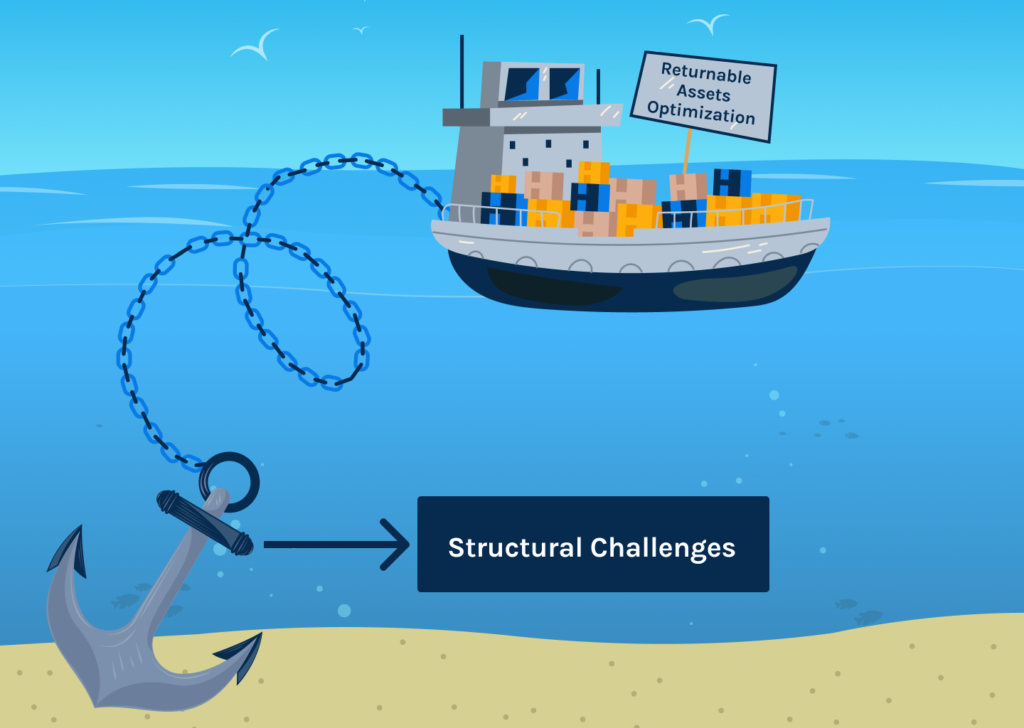
Returnable assets create persistent operational friction across logistics networks. Visibility gaps, overinvestment, shallow tracking technology, compliance pressure, and SLA risk are five structural challenges that affect nearly every team managing reusable pallets, roll cages, and carriers at scale. This blog breaks down each challenge with specifics on where the financial and operational impact shows up.
What End-to-End Supply Chain Visibility Should Actually Look Like for RTIs?
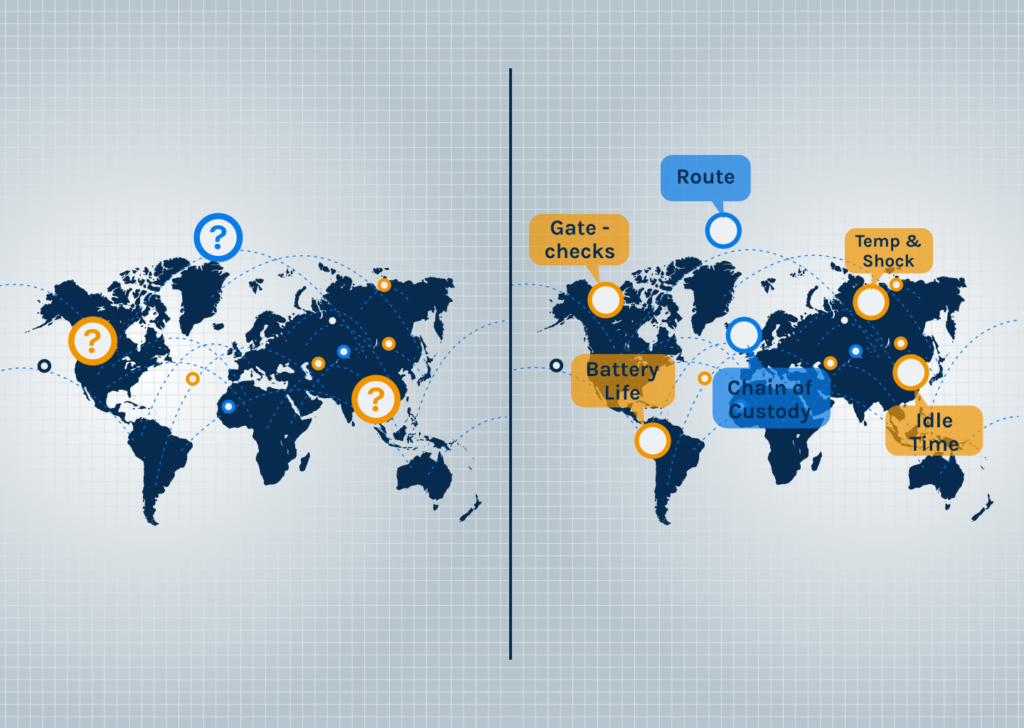
End-to-end supply chain visibility is commonly understood as the ability to see shipments move from origin to destination. For returnable assets, this definition is incomplete and often misleading. Reusable Transport Items such as pallets, roll cages, and specialized carriers do not follow a linear journey. They circulate continuously across warehouses, transport lanes, customer locations, partner […]
Why Better Returnable Asset Management Requires Fixing Data Fragmentation
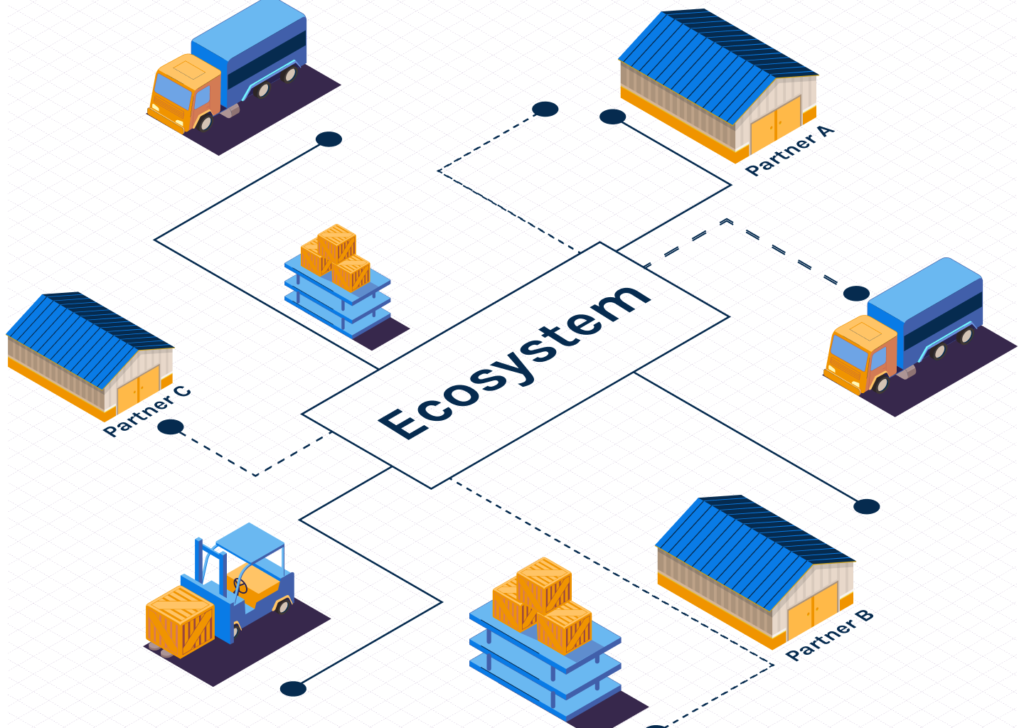
Data fragmentation in returnable asset management happens when asset events are logged in separate systems across partners, using different identifiers, timestamps, and formats. For logistics teams managing reusable pallets, roll cages, and carriers, this fragmentation means no single system holds a complete picture of where assets are or how they’re performing. This blog explains why fragmentation occurs, how it impacts operations, and what an observability layer can do about it
Why Most Asset Tracking Solutions Fail After The Pilot?
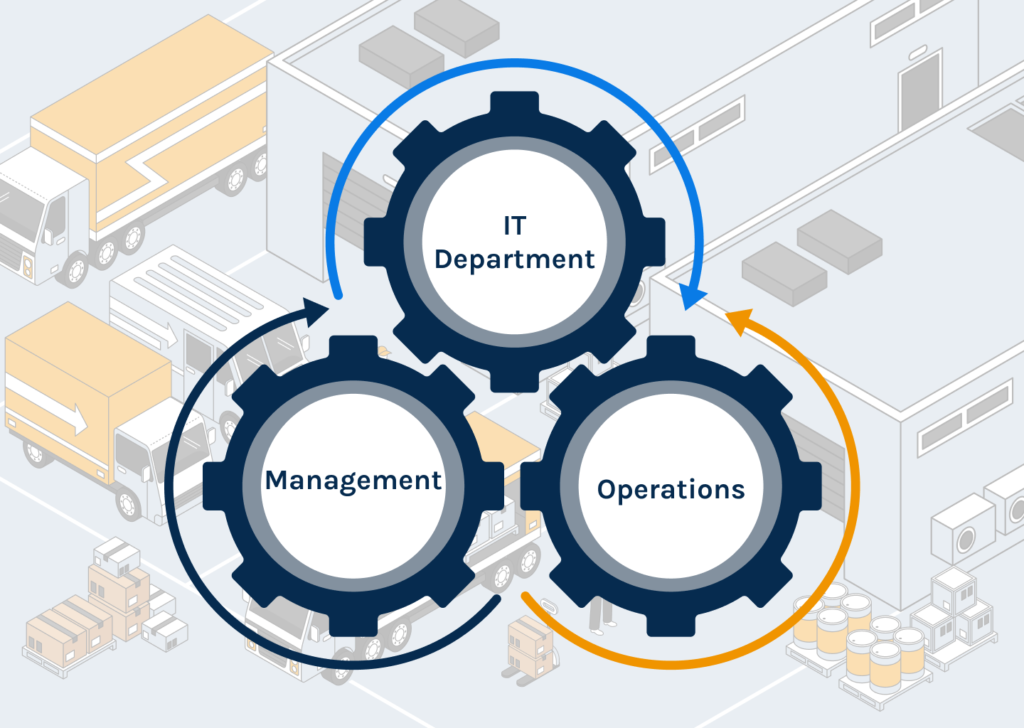
Most asset tracking programs work during pilots but stall when they go to full scale. The reasons are consistent: poor system integration, over-reliance on location-only data, low adoption by on-ground teams, and vendor support that drops off after go-live. This blog covers the six most common reasons tracking programs fail and what logistics teams should evaluate before scaling.
Plastic Pallet Optimization: Better Fleet Productivity with Analytics

Most returnable asset management solutions overlook how plastic pallet fleets actually behave. This blog breaks down the role of asset-level visibility and predictive analytics in fixing utilization bottlenecks and RTI fleet productivity.
How to Better Scale Supply Chain Pilot Programs
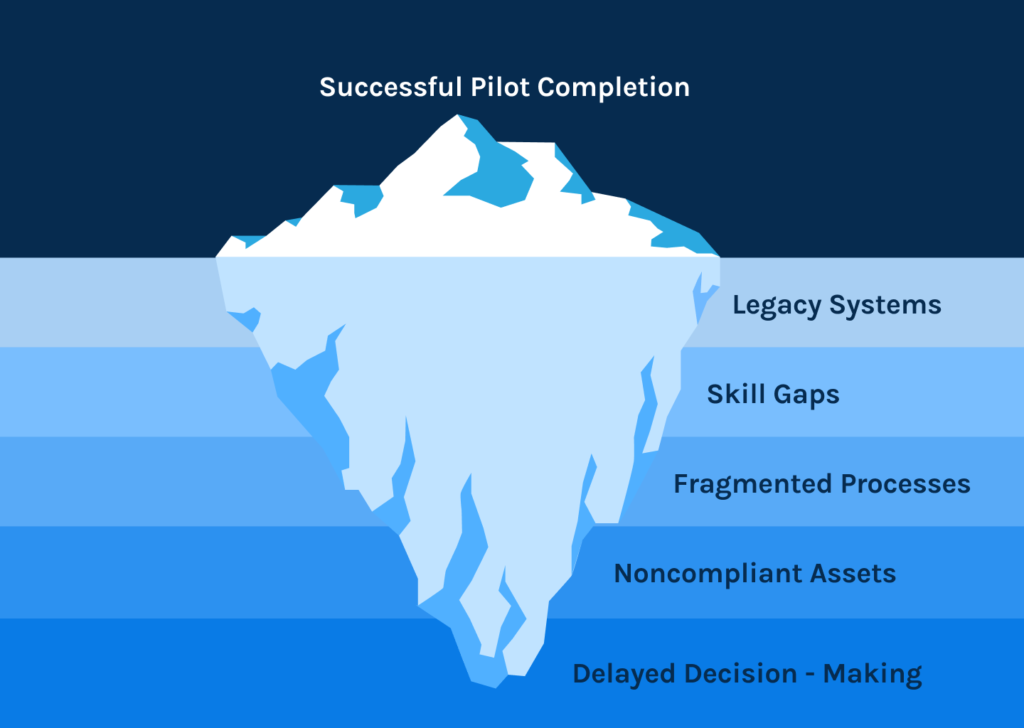
Supply chain pilot programs show promise, but scaling them across real-world operations is where most logistics teams face failure. Inconsistent data, integration challenges, and lack of operational visibility hinder long-term success. This blog explores why logistics pilot programs fail after the pilot phase and how SensaTrak’s platform-first approach ensures scalability, reliability, and measurable results for logistics teams.
Achieving Better Sustainability Compliance in RTI/RTP Fleets under PPWR

RTI/RTP fleets require efficient returnable asset management to meet sustainability compliance. This blog outlines how PPWR regulations can be met through improved asset observability and predictive analytics.
How To Improve 3PL Returnable Asset Tracking & Improve Fleet Lifecycle

3PL providers manage complex returnable asset fleets across diverse clients. This blog explains why visibility breaks down, how predictive analytics improve RTI/RLC/RTP management, and how the right returnable asset tracking solutions extend the fleet lifecycle.