
Integrating AI In Logistics for Better Returnable Asset Management
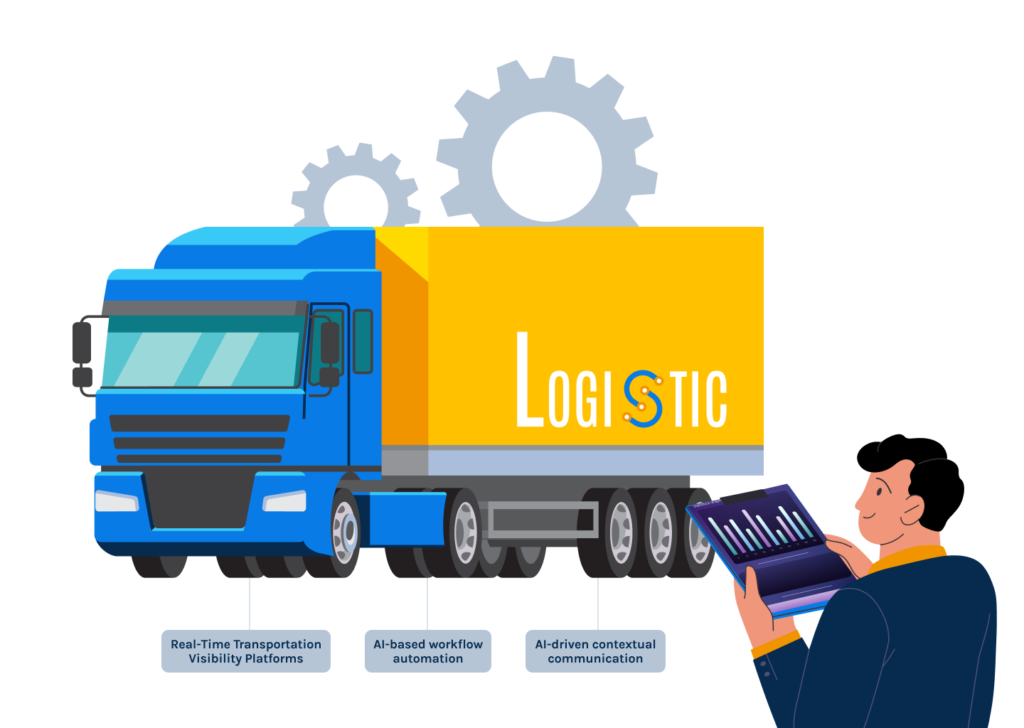
AI in logistics and supply chains is helping teams reduce waste, improve utilization, and modernize returnable asset management through real-time analytics. See how returnable asset tracking with AI enables end-to-end observability, predictive analytics, and smarter lifecycle control for assets.
Implementing Observability in Logistics for Better Returnable Asset Lifecycle

Observability in logistics means your systems can track, interpret, and act on asset data in real time, going well beyond basic location monitoring. For returnable assets like pallets, roll cages, and containers, observability connects movement data, condition readings, and lifecycle status into a single view that logistics teams can actually use.
This blog covers what observability means for returnable asset management and how it improves fleet lifecycle performance.
Optimizing Plastic Pallets in Returnable Asset Management for Better Efficiency

Plastic pallets are a vital part of returnable asset management. Discover how they reduce costs, improve fleet utilization, and support sustainable logistics practices.
Logistics Integration: How To Detect & Fix Hidden Disconnects
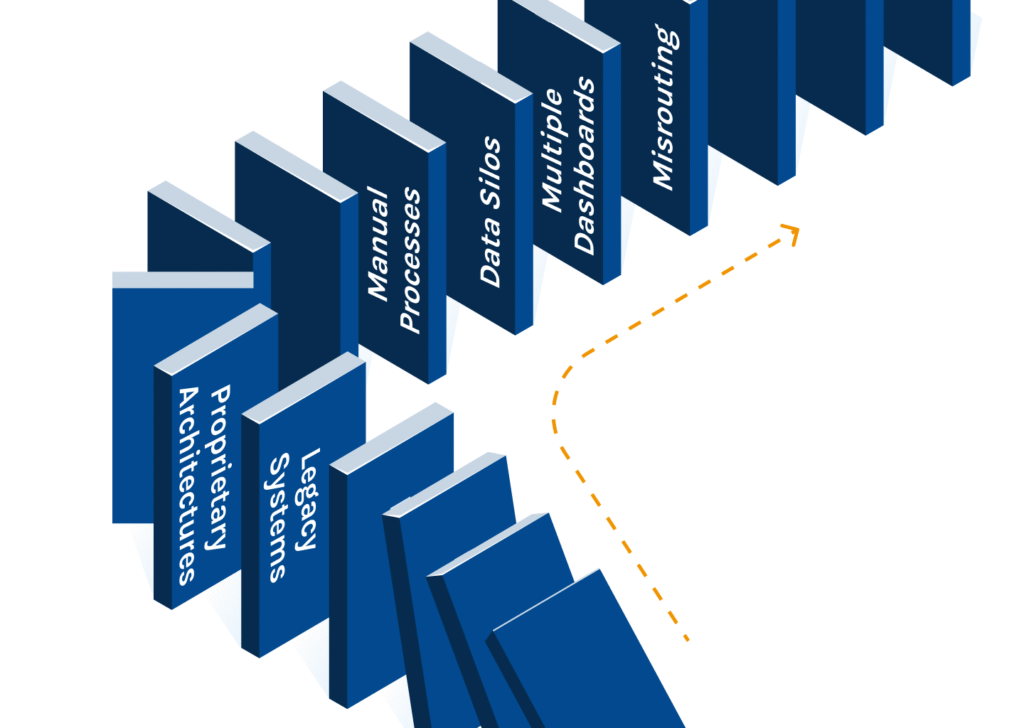
See how unified logistics integration improves returnable asset management by solving key integration challenges and delivering full operational visibility.
Overinvestment in Returnable Assets Fleet: Strong Case for Asset Tracking & Monitoring

Let’s start with the caveat that returnable asset fleet overinvestment looks different for every logistics and supply chain team. It further depends on how a logistics operation defines its safety buffer vis-a-vis its returnable asset fleet management. Returnable assets fleet overinvestment can be defined as buying or maintaining more returnable assets than their operational workflow […]
Achieving Clear Pharma Supply Chain Visibility With Returnable Assets Tracking in 2026

Explore how technology, predictive analytics, and AI are helping pharmaceutical supply chains and their RTIs move beyond compliance to achieve real-time visibility, efficiency, and sustainability.
Improving Sustainability & Compliance for Returnable Assets Using the Right Tech

Across the logistics and supply chain sector, sustainability and compliance have become the new norm for how operations are designed, managed, and reported. Partly due to different regulatory frameworks that require companies to verify and document their material use, waste recovery, and carbon impact to demonstrate how their operations contribute to a circular, low-waste economy. And partly because sustainability is actually beneficial […]
Optimal Tracking for Reusable Assets Fleet – LTE, WiFi, GPS, BLE, RFID or all of them?
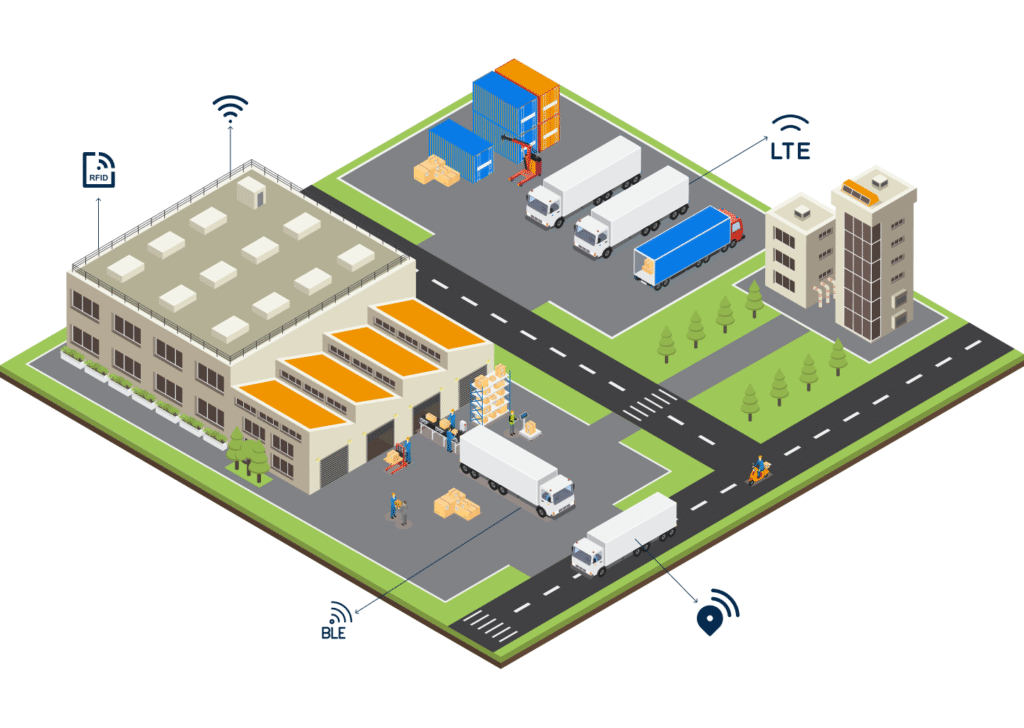
If you’ve dealt with reusable assets and their management before, you already know that the options for tracking technology aren’t scarce – they’re overwhelming but far from a perfect choice. Managing reusable assets has evolved from a simple logistical task to a complex ecosystem of connectivity, visibility, and data interpretation. The challenge is no longer […]
The Real Bottleneck in Sustainability Reporting: Asset-Level Data
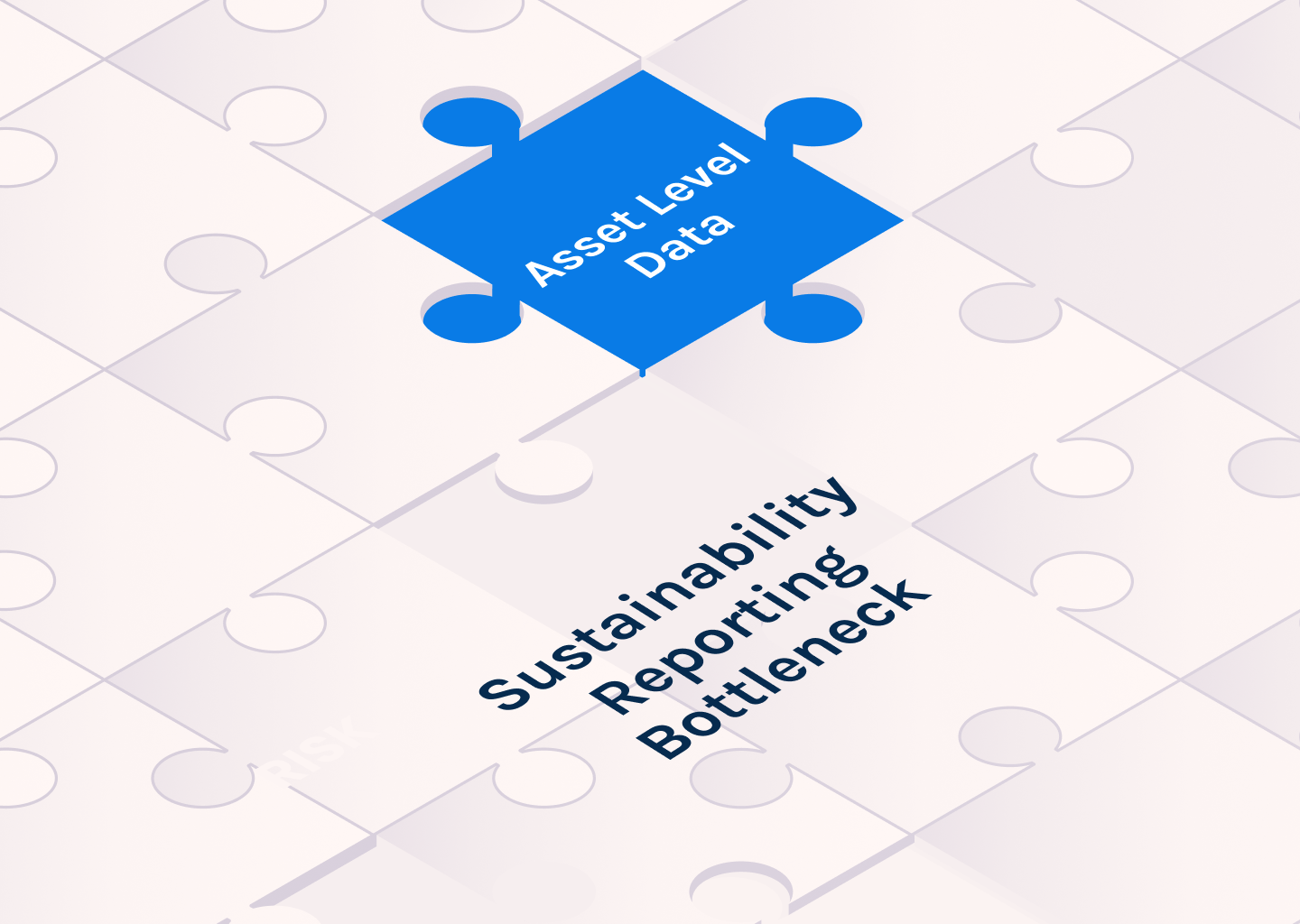
Sustainability reporting has moved from voluntary disclosure to regulatory expectation. Frameworks like the EU Corporate Sustainability Reporting Directive (CSRD) and the Greenhouse Gas (GHG) Protocol now demand a deeper, data-driven understanding of every environmental impact across operations. Yet, even as ESG reporting platforms evolve, most organizations still face a critical gap between intent and […]
Accelerating Circular Supply Chains: Combining Data, Visibility and Process Alignment

The promise of a circular economy is compelling: reducing waste, reusing resources, and closing the loop on materials that were once discarded. But moving from theory to practice requires a significant shift in how businesses manage and track their assets. Circular supply chains need more than just a commitment to sustainability; they need data […]