The 2020 pandemic served as a huge wake-up call for the logistics and supply chain industry, especially the pharmaceutical sector, where the stakes are incredibly high. While the industry has adopted measures since then to build transparent and resilient systems, pharmaceutical supply chains still face difficulty achieving end‑to‑end visibility over their systems.
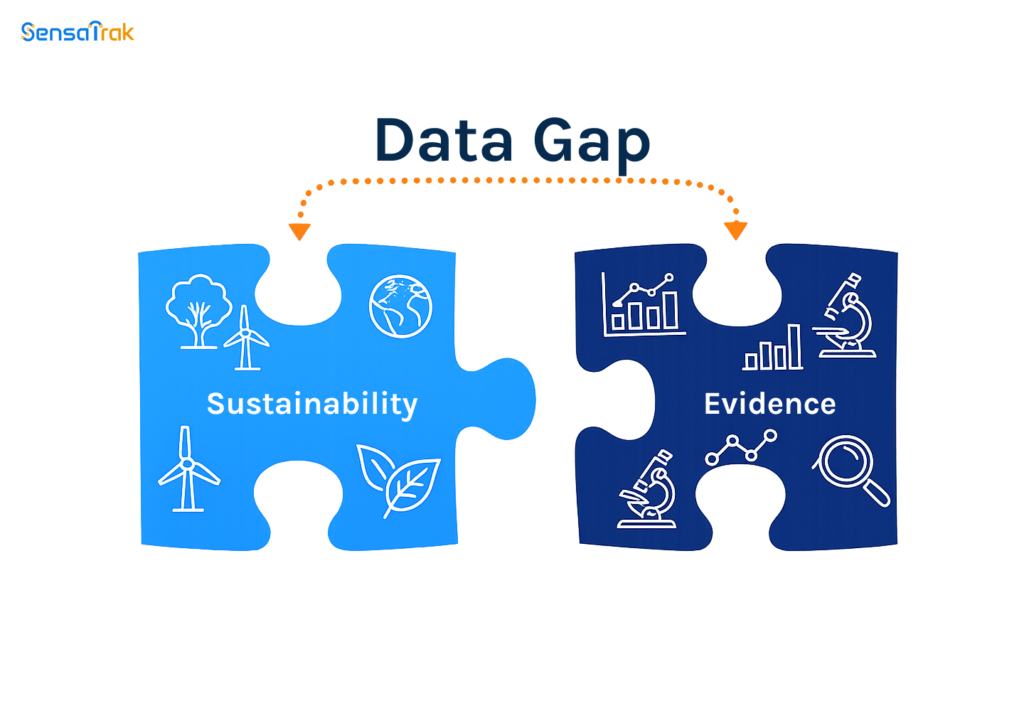
Even back then, fragmented networks, multi‑tier suppliers, and data silos were major barriers in pharma supply chain visibility, per this PMC article. And beyond ensuring that medicines, medical devices, and biologics reach their destinations safely and securely, logistics companies in the pharmaceutical space have to comply with stringent regulatory frameworks.
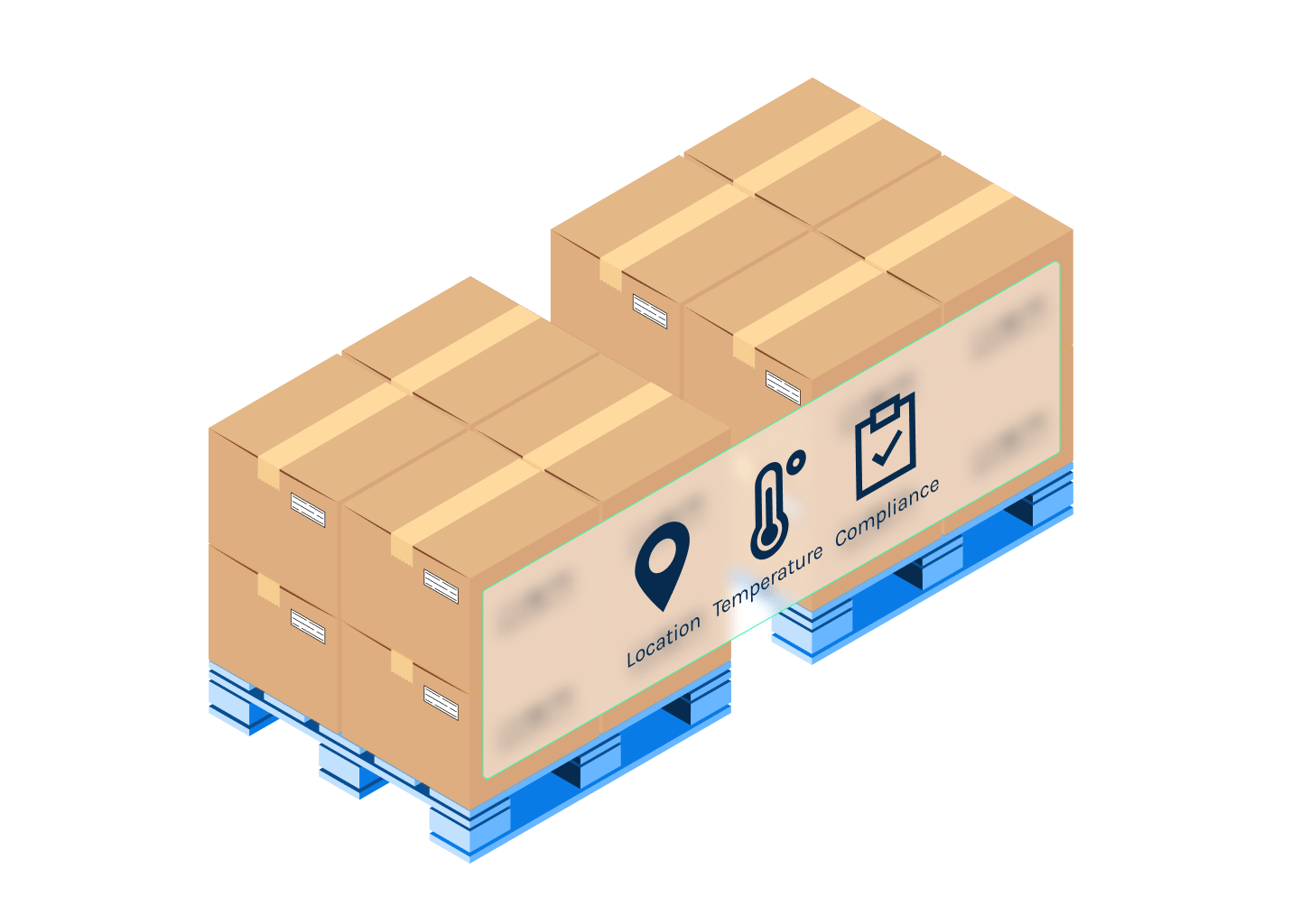
The reality for logistics and warehousing teams is that returnable assets in pharma, like plastic pallets, containers, roll cages, and cold‑chain units, must not only support the physical flow of medicines and medical devices but also act as traceable data points feeding risk, compliance, and sustainability frameworks.
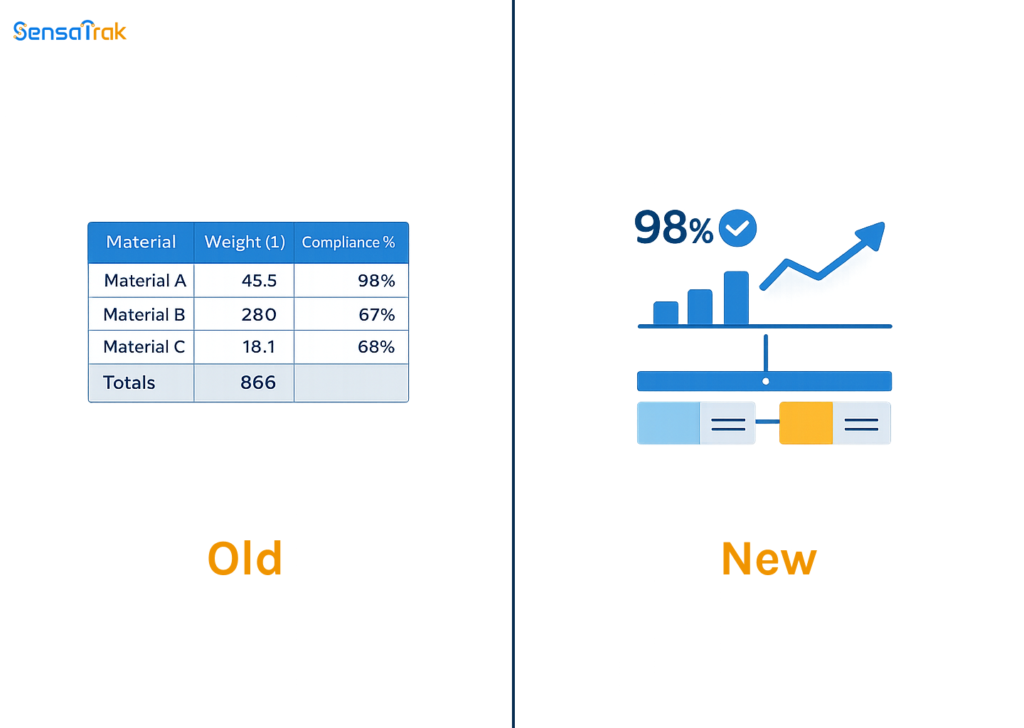
Pharmaceutical companies are just another customer for suppliers who serve many industries. According to this industry survey by EY, 26% of senior executives in supply chain roles that had responded said their visibility over their suppliers was still limited to email and spreadsheets. The survey also notes that improved RLC/RTI visibility will be a key enabler for resilient and compliant pharma supply chains.
Bridging this visibility gap requires a combined observability architecture of tracking technologies, analytics platforms, expert-led implementation, and governance protocols that meet regulatory traceability criteria and deliver operational value.
In the following sections, we’ll explore how returnable assets in pharmaceutical logistics can be aligned not simply for compliance, but for pure visibility that drives efficiency, risk mitigation, and sustainability within pharmaceutical logistics.
Real-World Challenges With Returnable Assets in Pharma Supply Chains
Every pharmaceutical supply chain is under pressure from multiple operational angles that extend far beyond returnable asset visibility. And logistics managers struggle to know the status of reusable assets when they leave the yard, go through third‑party networks, or enter partner sites. Rarely is it the case that a pharma supply chain isn’t managing or is not a part of multi‑tier distribution networks.
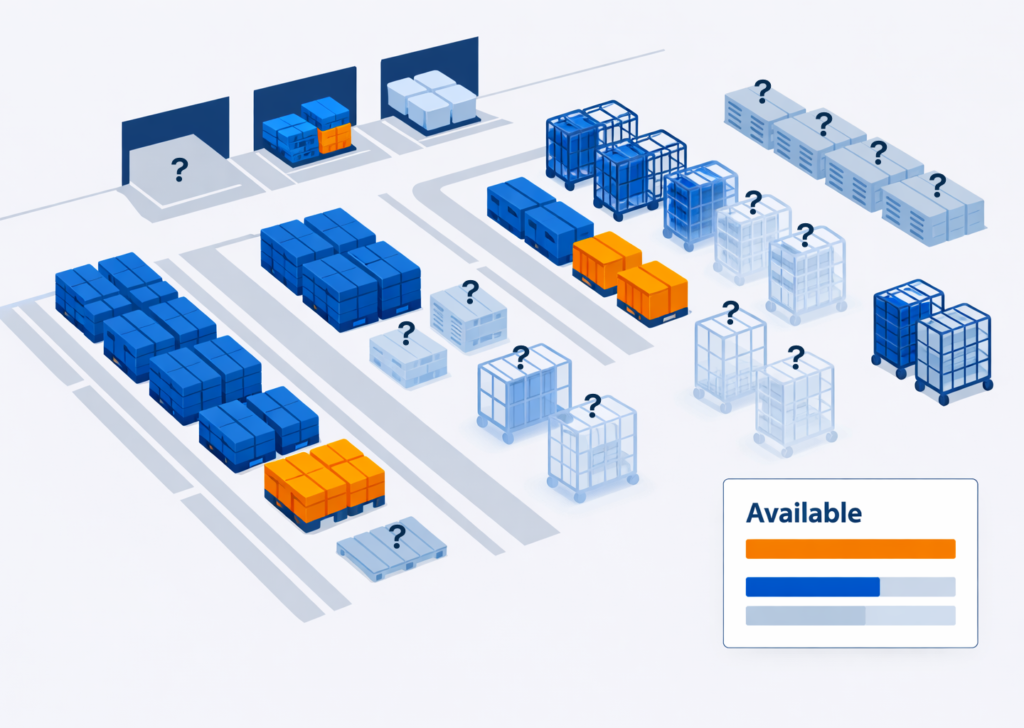
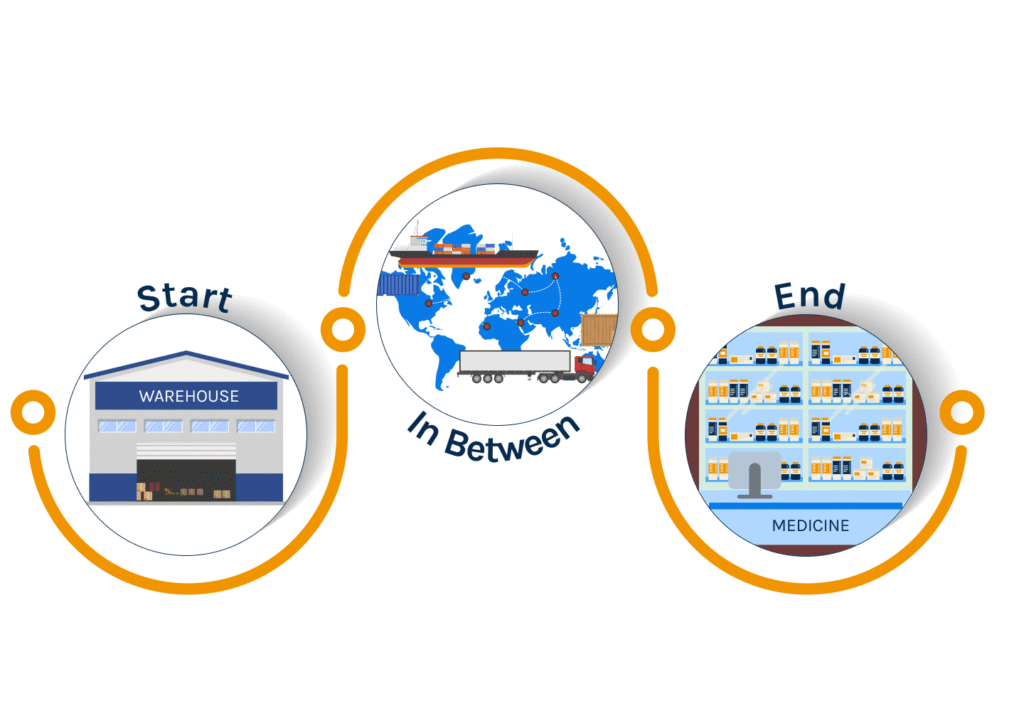
These networks become increasingly fragmented at deeper levels, as assets near their destinations. This fragmentation means pharma logistics teams often face reduced visibility of every asset, pallet, or container with every handover, i.e., the farther their RLC/RTI gets, the more invisible it becomes.
Another challenge arises from geopolitical and environmental disruptions, which are inherently sudden and have minimal warnings, if any. A recent report outlines how 55% of their respondents from pharmaceutical supply chains faced cascading disruptions from upstream interruptions, including criminal actions, manufacturing delays, natural disasters, geopolitical developments, and human errors during handoffs.
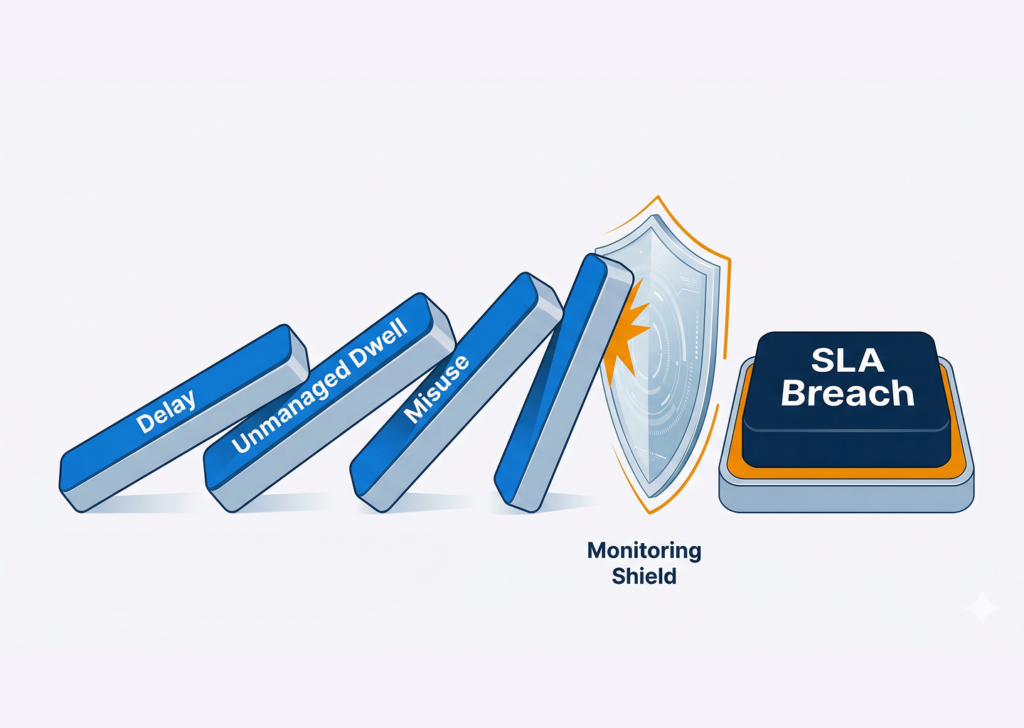
These disruptions ranged from delayed maintenance of critical reusable carriers to compromised cold‑chain integrity and failed compliance with regulatory traceability mandates. Visibility gaps and data silos further compound these problems. This complexity is especially acute when time‑sensitive medicines, cold‑chain units, or high‑value containers are involved.
Many of these gaps could be resolved through track‑and‑trace and predictive analytics. It is research-backed. But configuring these technologies requires a level of expertise that logistics teams typically don’t hire for. Unlike plastic pallets and roll cages, cold-chain units and specialized containers require a greater degree of upkeep and attention to maintain pharma supply chain visibility. Because compliance and operational cost pressures converge, pharma logistics teams have little wiggle room on the budgeting side of things.
SensaTrak’s predictive analytics platform and trackers are built around visibility, accountability, and data-driven reuse for returnable assets in pharma supply chain visibility. Our experts ensure that every reusable carrier in your fleet remains visible across the full operational cycle.
Technologies Transforming Pharma Supply Chain Visibility
Tracking high‑value returnable assets in pharma such as cold‑chain units, reusable carriers, and specialized containers cannot stay limited to spreadsheets and static monitoring. These fleets have to be supplemented with technologies that enable connectivity. Here’s a breakdown of key technologies being implemented for pharma supply chain visibility and why they matter.
Serialization, Track‑&‑Trace & Digital Identity
Regulatory mandates such as the Drug Supply Chain Security Act (DSCSA) in the U.S. and the Falsified Medicines Directive (FMD) in Europe insist on unique serial identifiers and aggregation of pharmaceutical products. This digital identity for each unit, pallet, or batch becomes the foundation for asset‑level visibility for returnable assets in pharma supply chains.
Blockchain & Immutable Ledgers
While it’s been linked to cryptocurrencies primarily, the underlying blockchain technology enables data transparency and a validation system, both of which are central to pharma operations. Supply chain teams must share data across complex partner networks while protecting commercial sensitivity.
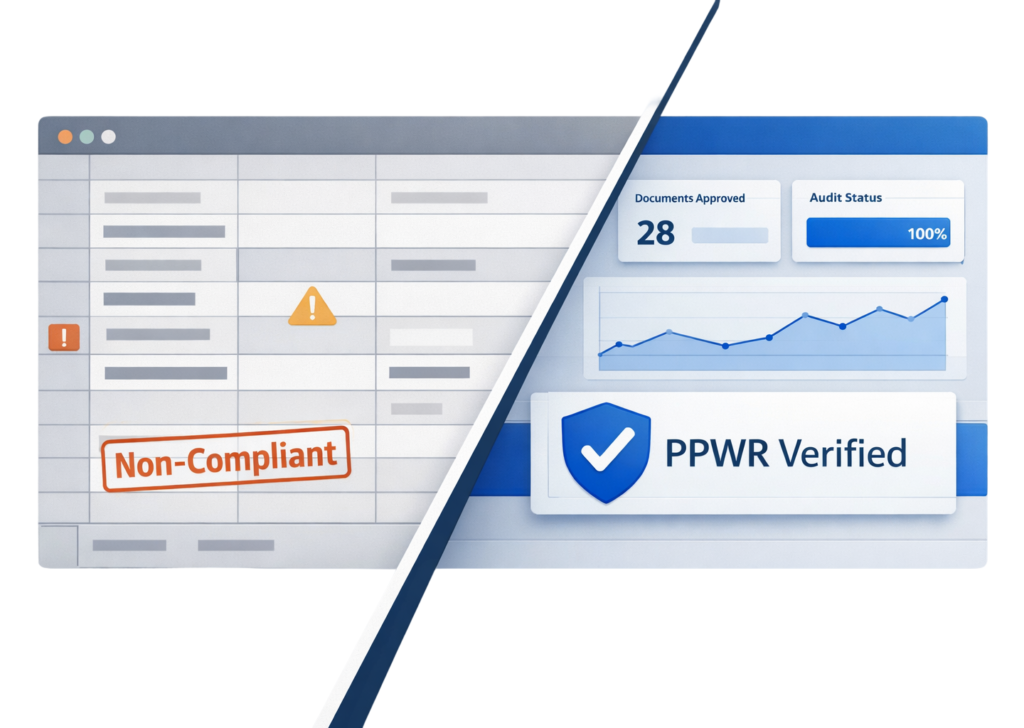
Blockchain offers a distributed ledger that can record every transaction, movement, and condition of reusable carriers. When applied to returnable asset flows, these distributed ledgers can record every reuse cycle, partner handoff, and condition check, creating audit‑ready data for compliance, recall, and sustainability reporting.
AI & Predictive Analytics
According to this report, artificial intelligence (AI) in pharma supply chains could save the industry US$28 billion annually through improved efficiency and decision‑making. And this makes sense, because data alone does not provide visibility. It has to be interpreted.
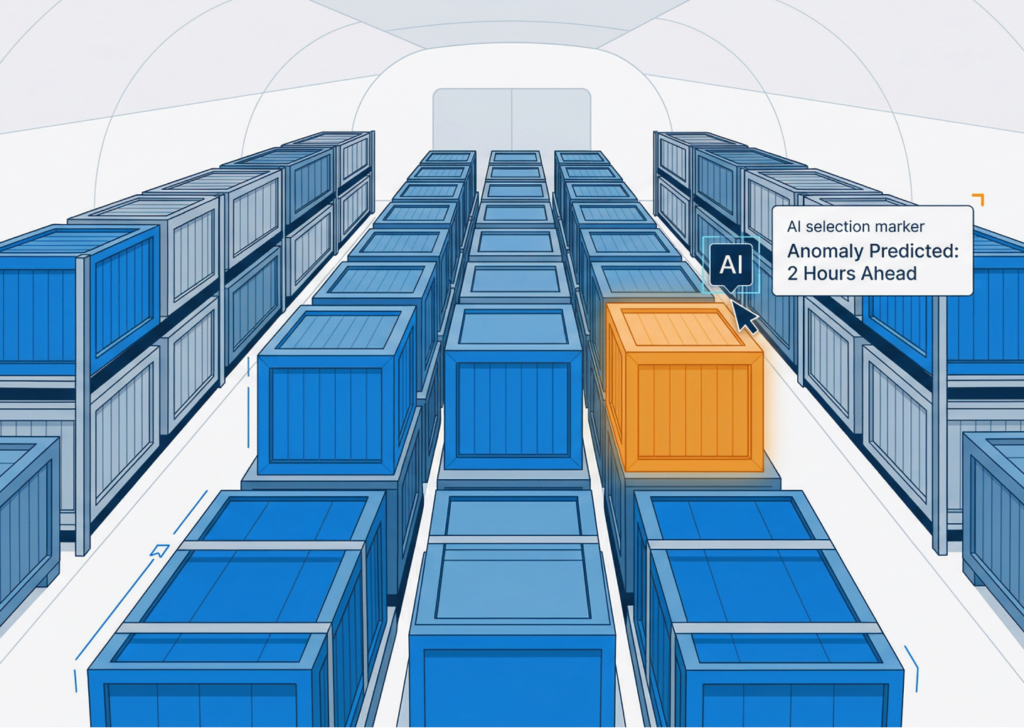
AI‑driven models applied to asset data can identify patterns such as delayed returns, abnormal usage, damage risk, or partner underperformance to enforce pharma supply chain visibility. For reusable carriers, this means forecasting which units will fail maintenance, which routes carry higher loss risk, and where reuse optimization is possible, all supporting operational cost reduction and compliance.
Integration, Alignment & Ecosystem Connectivity
Returnable assets, trackers, partner systems, WMS/TMS frameworks, and analytics platforms must all intertwine. Underutilization of technologies already in place within a returnable asset management solution has been a major money leak for pharma players. This points to the untapped potential of existing systems. An integrated platform ensures these technologies don’t operate in isolation but reinforce each other across your asset‑fleet lifecycle.
Enhanced Returnable Asset Visibility Drives Pharma Logistics Efficiency
Continuing from ecosystem connectivity, when you know exactly where your carriers are, how they’re used, and what condition they’re in, you reduce waste, improve utilization, support compliance, and ultimately enhance circular supply chain efficiency. When a tracker flags a deviation in real time, logistics operators can intervene immediately rather than waiting until the batch fails inspection.
A unified logistics visibility platform ensures that reusable carriers and containers remain traceable data points at all times. Digital logs record every reuse cycle, inspection event, and handoff, streamlining the compliance process and freeing operations from manual reconciliation. This approach is especially effective for pharma supply chain visibility as it gives teams the ability to correct or optimize asset routes mid-journey, reducing waste, recall risk, and compliance penalties.
This supports predictive analytics and the development of playbooks logistics teams can deploy during disruptions. With data on where assets are, how often they cycle, who holds them, and how long they sit idle, logistics and procurement teams can optimize fleet size and reduce buffer inventory.
SensaTrak’s Unified Approach to Pharma Supply Chain Visibility
SensaTrak’s analytics platform and AI-driven observability combine with robust trackers to provide real-time, end-to-end visibility over your reusable carrier fleet. Our modular approach allows businesses of any size to scale RLC/RTI fleet visibility, prevent asset thefts, optimize asset performance, and demonstrate measurable sustainability without overhauling existing systems.
Every movement, inspection, and reuse cycle is captured, analyzed, and reported, giving logistics teams the actionable intelligence needed to optimize asset tracking for pharma, maintain regulatory compliance, and meet ESG and sustainability goals.
Contact us here.