Returnable assets management was earlier treated as an operations problem.
You needed to know where they were, how many were missing, which lanes were leaking, and whether you had enough units to keep flows moving.
If the data were messy, teams would work around it. A spreadsheet here, a partner update there, a delayed tracker feed somewhere else. It was inefficient, but still manageable.
But this would no longer be good enough.
Under the EU Packaging and Packaging Waste Regulation, packaging is being pulled into a stricter framework of reuse, traceability, and accountability.
The regulation entered into force in February 2025, starts applying from 12 August 2026, and brings reuse obligations for transport packaging into sharper focus from 2030.
Official implementation material also points toward packaging databases, calculation and verification methods, and data flows supported by reusable-packaging labels.
This makes the situation tougher for logistics teams.
The question is no longer just whether your returnable assets are reusable.
It is whether you can prove how they are reused, how often they rotate, where they sit idle, when they leave controlled loops, and whether the underlying data is strong enough to support sustainability and compliance reporting.
When asset records are fragmented across systems, sites, and partners, you can’t really do much by manual labor.
That is precisely why fragmented asset data becomes very risky, especially in the context of sustainability & compliance reporting frameworks for logistics providers.
What looks like a technology or process issue that’s internal to returnable assets management can quickly turn into sustainability and compliance exposure outside it.
This leads to weakening of reuse claims, reduction in compliance reporting confidence, and deteriorating audit readiness.
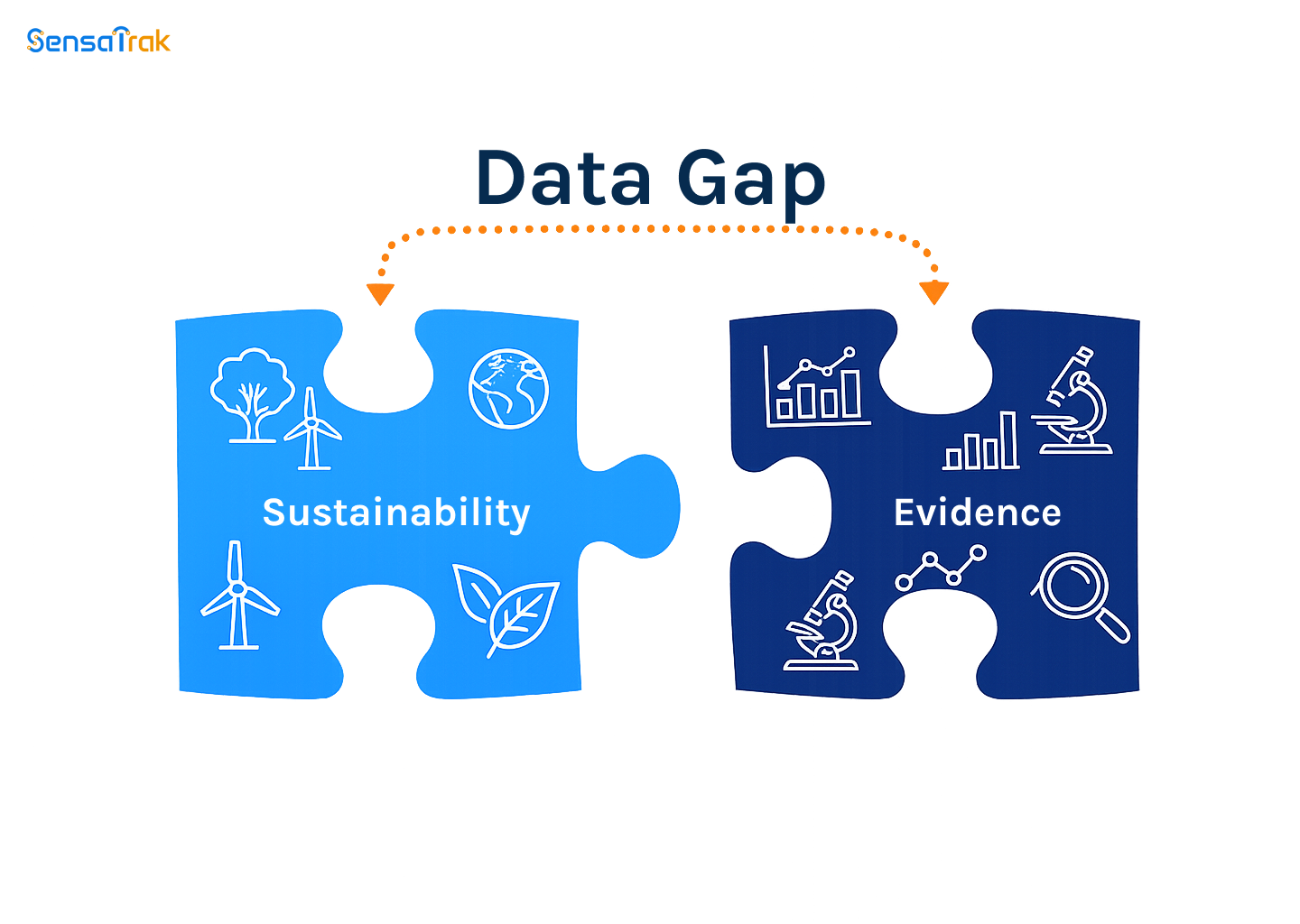
With proper data, your circularity claims are too dependent on assumptions and bad data rather than good, digital evidence.
This is the gap SensaTrak is built to close.
Not by adding another disconnected tracking layer, but by turning scattered asset signals into a clearer operational record that can support control, reporting, and compliance consistency across returnable asset networks.
This blog will unpack how fragmented asset data creates that exposure, why the pressure is rising under EU sustainability regulations such as PPWR, and what logistics teams need to fix now inside returnable assets management before compliance questions get harder to answer.
Why Fragmented Asset Data Is an EU PPWR Compliance Risk
Returnable assets only become sustainable and support sustainability when their complete lifecycle can be seen, measured, and managed.
That sounds easy and obvious.
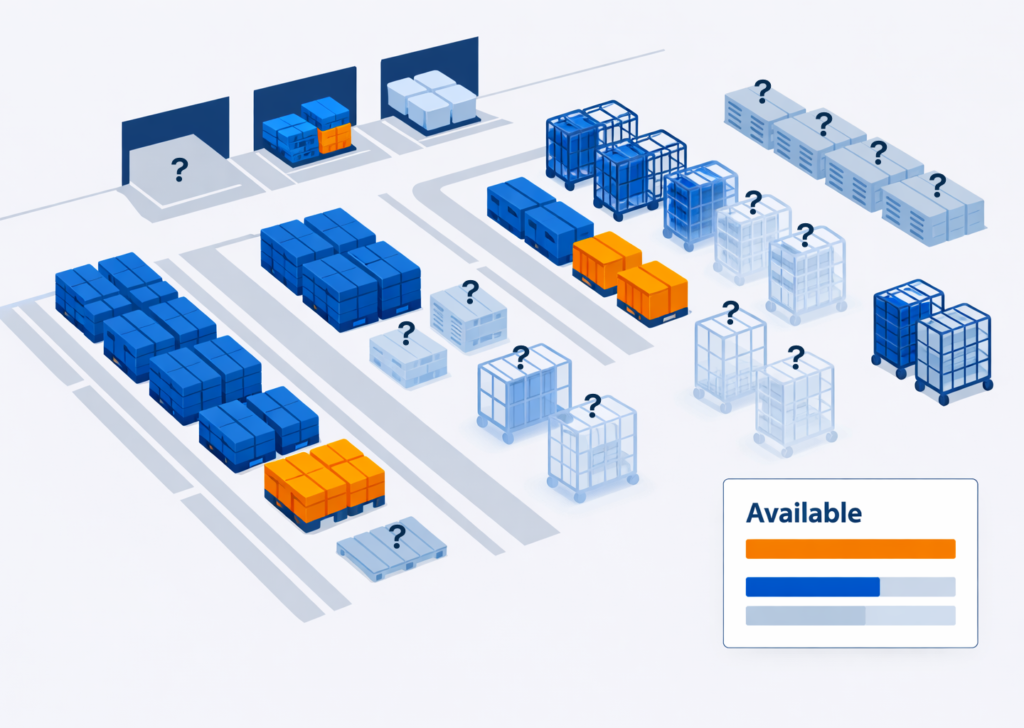
But in practice, many logistics networks still run on split records. Location data may sit in one platform. Inventory counts may sit in ERP or WMS. Handovers may be confirmed through emails, scans, or partner updates.
Damage status may sit in maintenance logs. Exceptions may end up in spreadsheets. Each source captures one part of the asset story, but none of them holds the full record. When that happens, reuse becomes harder to verify across the lifecycle.
Official EU material around PPWR is already moving in the direction of stronger data flows, packaging databases, and calculation methods for reuse-related obligations.
Eurostat also notes that current reusable-packaging data collection still does not fully include first placement, rotation, and reusable packaging systems.
This is the sustainability angle that many logistics teams miss.
A returnable asset system is expected to reduce waste, extend packaging life, and lower the need for replacement units.
But that only holds when the business can see how assets circulate in reality.
If teams cannot track rotations, dwell time, leak points, repair cycles, or asset exits from controlled loops, then the sustainability value of the fleet starts getting measured through estimates instead of evidence.
This matters even more because reusable-packaging reporting is still maturing.
Eurostat’s metadata notes that the current system for collecting data on reusable packaging does not yet include data on packaging placed on the market for the first time, rotation, and reusable packaging system.
And the assets data gap has direct operating consequences.
Teams often respond to unclear asset records by adding safety stock, over-ordering, renting emergency units, or moving assets earlier than needed.
From an operational perspective, the network may still look functional. But deep down, the business starts consuming more packaging, more transport effort, and more working capital just to compensate for poor visibility.
A reuse model then remains active only in name while behaving like a weakly controlled system underneath. That undermines both sustainability outcomes and confidence in the numbers used to describe them.
This is why fragmented asset data should no longer be treated as a back-office reporting issue.
It affects whether a company can show with strong proof that returnable assets are being reused, whether losses are being contained, whether damaged units are being removed and replaced in a sustainable manner, and whether the wider packaging system is performing as planned.
Under rising sustainability and compliance pressure, especially in the EU, that level of uncertainty becomes risky. The question is no longer whether your network uses reusable assets.
The question is whether your data can prove that the reuse system is functioning as intended.
What Does EU PPWR Demands From Logistics Providers?

From a logistics point of view, EU PPWR is not only asking whether reusable packaging exists in the network. It is pushing the market toward better packaging data.
The regulation and the Commission’s implementation communication show that reusable packaging is expected to carry a harmonised label and, in many cases, a QR code or other digital data carrier that supports collection points, tracking, and the calculation of trips and rotations.
That leads to shifting our perspective from just thinking and showing that “we use returnable assets” to now the confidence that“we can show how those assets move through a reuse loop.”
These are the aspects that the EU PPWR compliance framework expects the logistics providers to cover from a data perspective
1. Asset identity
The first demand is simple.
Reusable packaging needs to be clearly identifiable. If a pallet, crate, box, or transport unit cannot be reliably distinguished inside the network, then the rest of the compliance story starts falling apart.
You cannot track movement properly, you cannot calculate reuse performance properly, and you cannot separate units that are inside the loop from units that have gone missing, stayed idle too long, or dropped out of the system.
The official documents make this direction clear by linking reusable packaging to harmonized labelling and digital data carriers for tracking and rotation calculation.
2. Trip and rotation data
PPWR is also moving the market toward proving reuse through packaging activity, not only through packaging design. In the Commission’s own Q&A material, the digital data carrier is tied to tracking and to the calculation of trips and rotations, or average estimations where exact calculation is not feasible.
That matters because reuse claims are going to depend less on broad intent and more on whether the business has enough data to show that packaging is actually circulating, returning, and being reused over time.
3. Reuse-system records
This is where the data burden gets broader than location alone. The same Commission material says that economic operators making use of reusable packaging are expected to participate in reuse systems that comply with Annex VI, and that reusable packaging must be reconditioned under those rules.
From a data point of view, that means logistics providers need more than movement visibility. They need records that help show whether assets are part of a governed reuse system, whether they remain inside that system, and whether damaged or worn units are being handled in a controlled way.
4. Condition and lifecycle control
Reusable packaging is not compliant just because it exists and comes back sometimes. The system also needs to support reuse over multiple rotations.
The Commission’s material says reusable packaging must accomplish as many trips or rotations as possible and remain recyclable, with future delegated acts expected to set minimum rotation numbers for some frequently used packaging.
So, the data layer has to support lifecycle questions as well: how long assets stay active, when they need reconditioning, when they should be removed, and whether the loop is still performing as intended.
5. Calculation and reporting readiness
The final demand is the one many teams underestimate. PPWR is moving toward a more formal reporting structure, with implementing acts shaping calculation details and Member States required to establish packaging databases for reporting obligations.
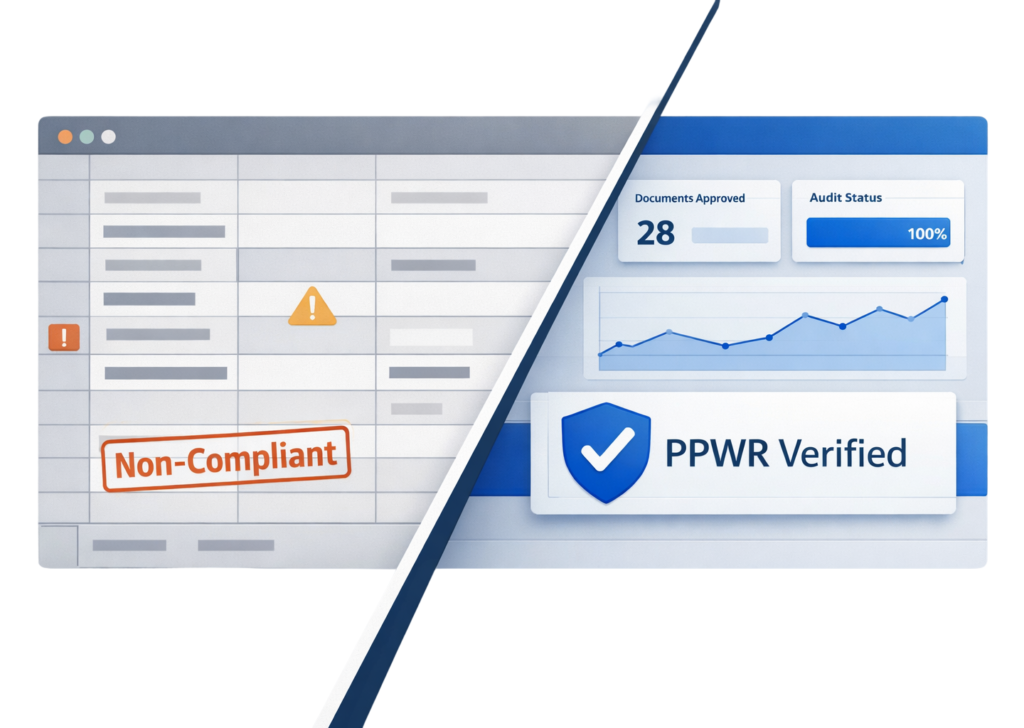
In practical terms, this means logistics providers and packaging operators need data that is structured enough to support calculations, explain reuse performance, and hold up when sustainability numbers are reviewed more closely.
If the asset story still sits across spreadsheets, partner emails, WMS logs, maintenance records, and disconnected tracker feeds, that becomes a weak base for compliance.
So from a data point of view, EU PPWR is asking for five things at once:
clear asset identity, trip and rotation visibility, proof that assets sit inside a reuse system, condition and reconditioning records, and data that can support calculation and reporting.
That is why returnable assets management can no longer rely on partial visibility. The data has to hold together across the full loop.
How SensaTrak Helps Build EU PPWR Readiness With Better Data?
SensaTrak helps solve this problem by bringing returnable asset data into one clearer operating layer.
Instead of leaving asset records split across tracker feeds, spreadsheets, warehouse systems, partner updates, and manual logs, SensaTrak combines trackers, platform, battery replacement, and integrations into one subscription model built for reusable load carriers.
The product is positioned around tracking, monitoring, and managing assets across transit, outdoor, and indoor environments, while reducing mis-reporting and improving visibility across the fleet.
1. For asset identity and movement visibility
SensaTrak starts with smart, tamper-safe, multi-sensor trackers attached to the asset fleet. From there, the platform gives teams a live operating view of where assets are, how they are moving, and how they behave across locations.
That is the base layer needed when reusable assets must be identified more clearly and followed across the loop instead of being counted only through snapshots or manual records.
2. For trip, rotation, and utilization data
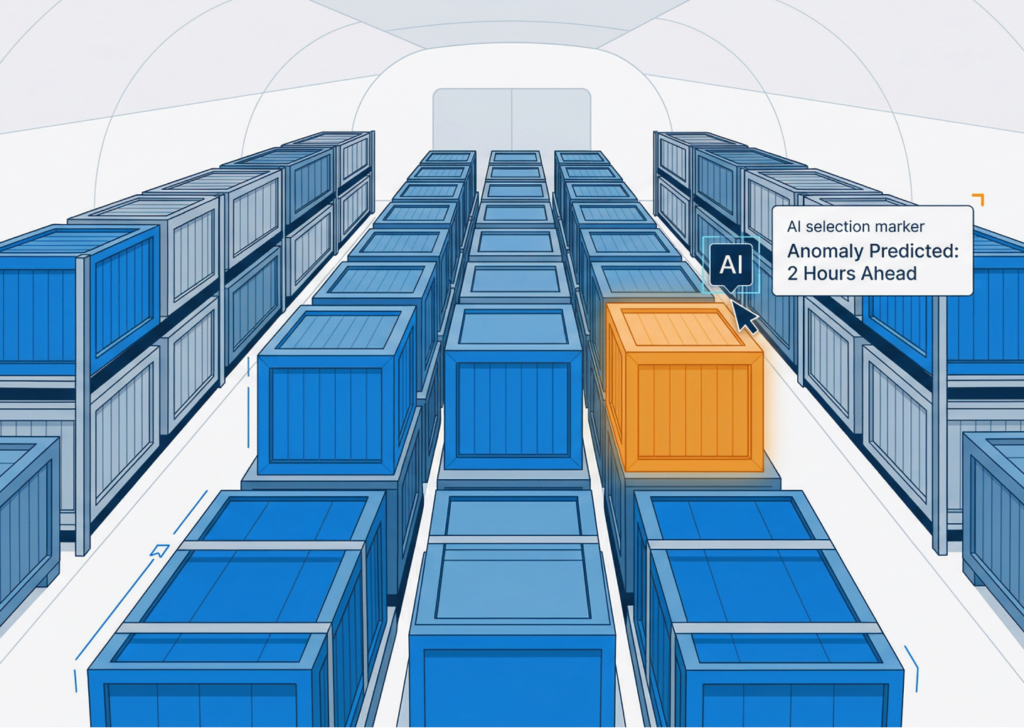
The platform is built to go beyond basic location tracking. SensaTrak’s platform highlights underutilization, slow rotation, overstocking, and redeployment opportunities, while its AI layer is described as learning operational patterns, predicting risks, and helping optimize routes and priorities.
That matters because PPWR readiness will depend less on broad claims that assets are reusable and more on whether the business can show how assets circulate, are reused and the overall performance gets optimized.
3. For reuse-system records across operations
SensaTrak is also built to reduce fragmentation between systems. Our platform offers pre-built ERP and WMS connections, secure APIs, and two-way data sync, alongside dashboards and role-based access.
That means the asset story does not have to stay locked inside one tracker tool while inventory, warehouse activity, and client-level records sit elsewhere.
It gives logistics teams a better chance of keeping one connected record across locations, partners, and internal functions.
4. For condition and lifecycle control
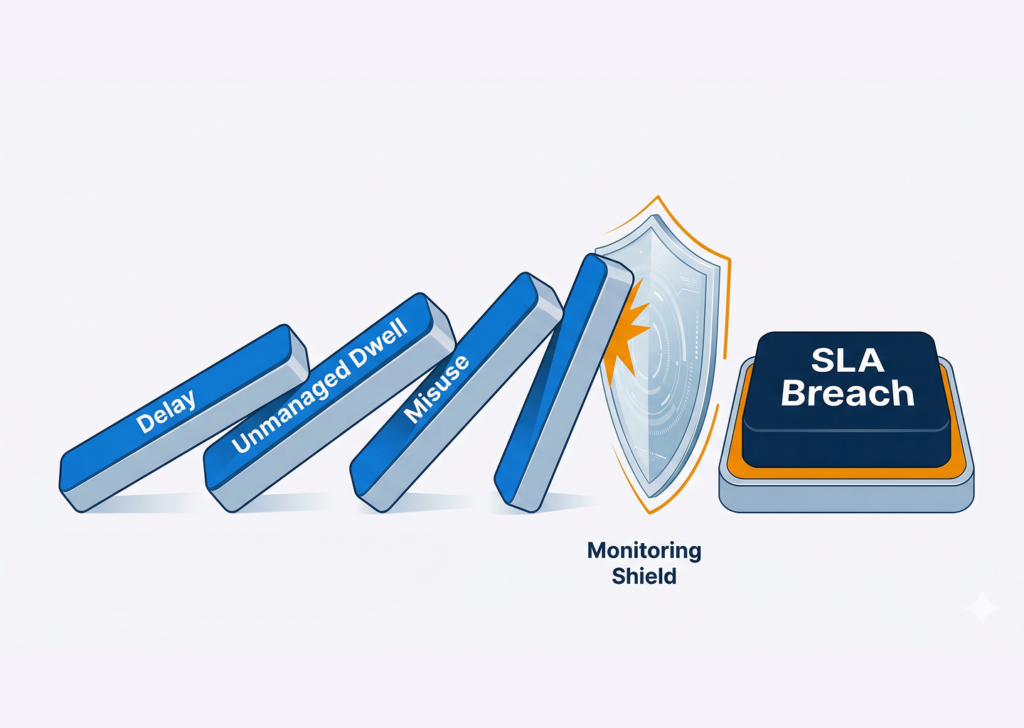
This is where SensaTrak becomes especially relevant to compliance-sensitive operations. The platform explicitly includes deep condition monitoring, automated SLA compliance checks, and access to historical data for audits.
SensaTrak is built around comprehensive monitoring of your assets not only location. This covers temperature, shock, mishandling, and tampering.
That gives teams significant visibility on where an asset is. It helps them build a better record of how that asset has been handled, whether it remained fit for use, and what happened across its lifecycle.
5. For reporting readiness
SensaTrak does not remove the need for compliance work, but it helps create the data structure that compliance work depends on.
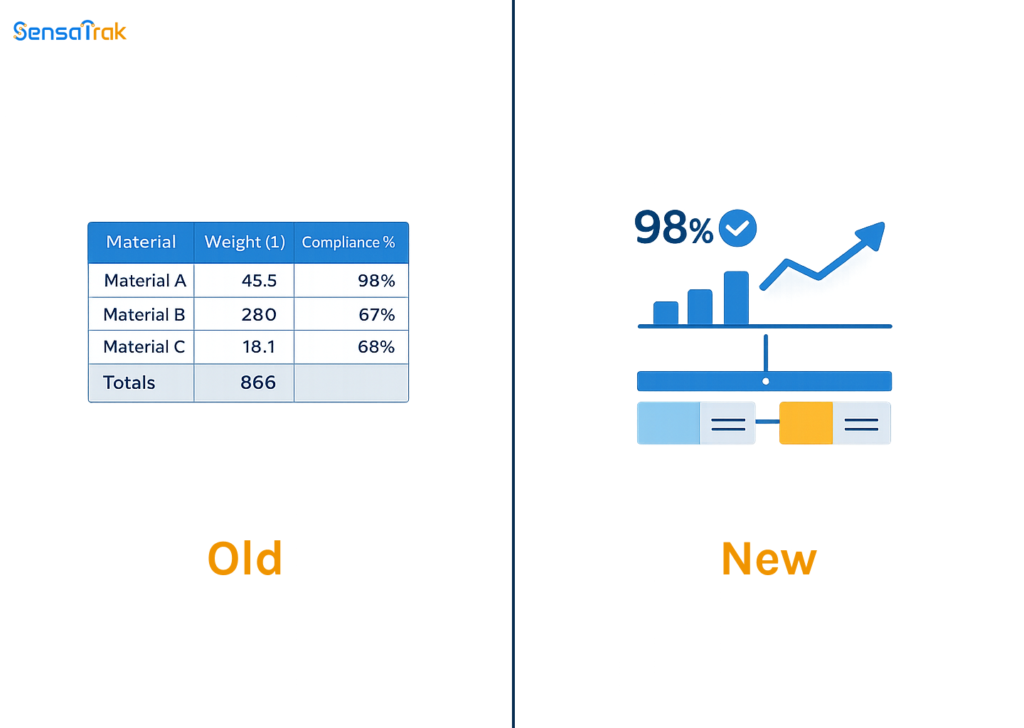
By combining asset-level tracking, condition signals, historical records, and integrations into operational systems, it becomes easier to move from scattered asset updates to a clearer chain of evidence.
That is the real shift. Instead of rebuilding the story of asset reuse after the fact, teams can work from a system that is already capturing the signals needed to explain movement, condition, utilization, and exceptions.
This is why SensaTrak should not be seen as just another tracking layer.
It is better understood as the data foundation that helps returnable assets management support stronger reuse visibility, better operational control, and more reliable sustainability and compliance readiness.
The more EU packaging rules move toward traceability, calculation, and proof, the more important that foundation becomes.