
From Asset Trackers to Intelligence: Rethinking Asset Tracking and Management

Asset tracking and management today is about far more than deploying asset trackers. Trackers for returnable assets or reusable load carriers (RLCs) have existed for years and have evolved significantly, moving from simple GPS trackers, BLE beacons, or plain RFID tags into IoT-enabled devices with multiple capabilities. Modern RLC trackers can now track and locate assets both […]
Why SLAs in Logistics Fail Without End-to-End RTI Visibility
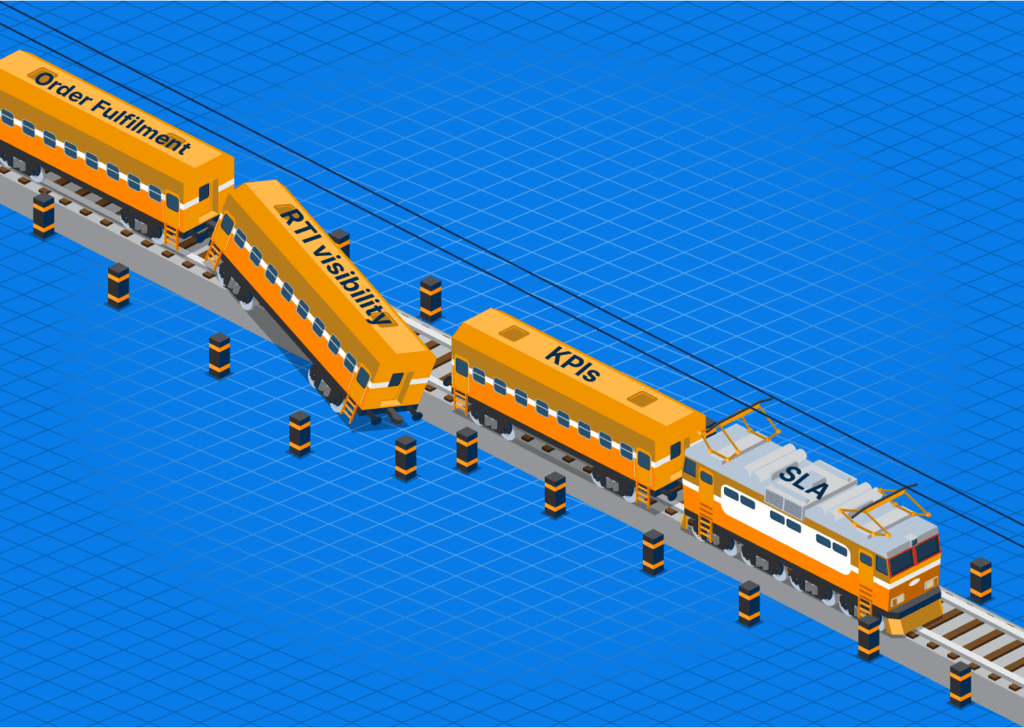
Logistics SLAs depend on RTIs more than most teams realize. When returnable assets lack visibility, SLA breaches, asset shortages, and sustainability failures follow. This blog explores why RTI visibility and operations observability are critical to enforcing SLAs in modern logistics operations.
When Returnable Assets Go Missing: Inside a Mn USD Annual Capital Drain
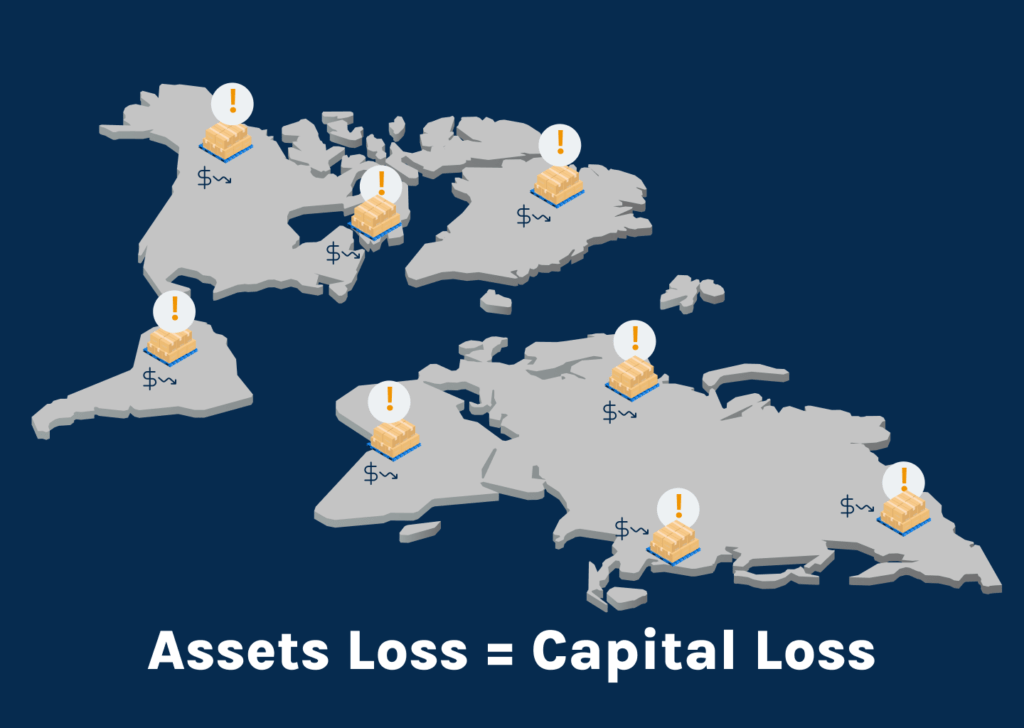
Your returnable assets fleet is the biggest drain on your capital. Yeah. You heard that right. Not your operations team, nor the vendors who overprice at times to make up their margins, not even the ever-changing regulations that add even more complexity to supply chain operations. It is the plastic pallets, the roll cages and the extremely crucial non-powered carriers that you need […]
Five Structural Challenges of Returnable Assets Ops
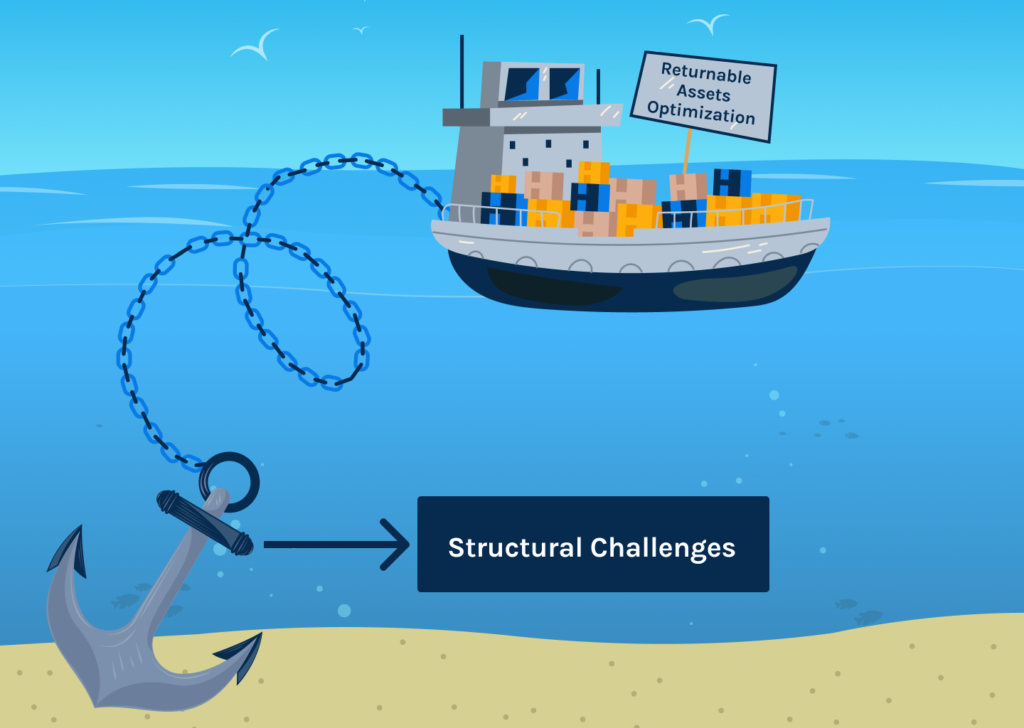
Returnable assets, also referred to as Reusable Transport Items (RTIs), form the operational backbone of the logistics industry. If these assets stop moving from point A to point B, large parts of the global supply chain would slow down or come to a halt. Their timely movement, availability, and physical condition directly determine whether goods can move efficiently from factory to […]
What End-to-End Supply Chain Visibility Should Actually Look Like for RTIs?
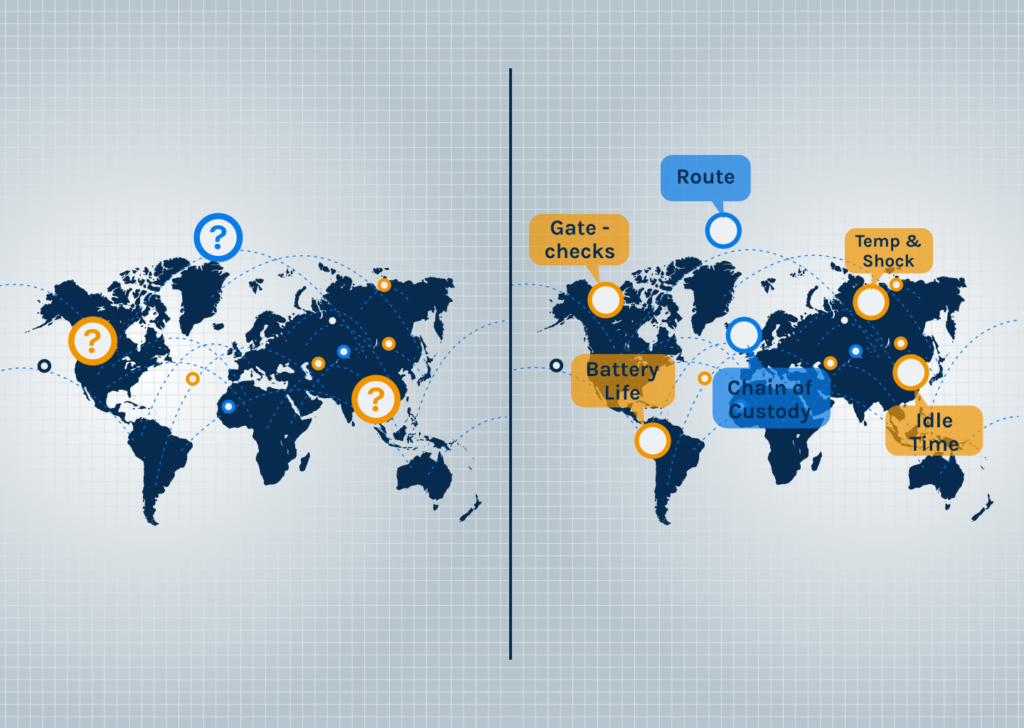
End-to-end supply chain visibility is commonly understood as the ability to see shipments move from origin to destination. For returnable assets, this definition is incomplete and often misleading. Reusable Transport Items such as pallets, roll cages, and specialized carriers do not follow a linear journey. They circulate continuously across warehouses, transport lanes, customer locations, partner […]
Why Better Returnable Asset Management Requires Fixing Data Fragmentation
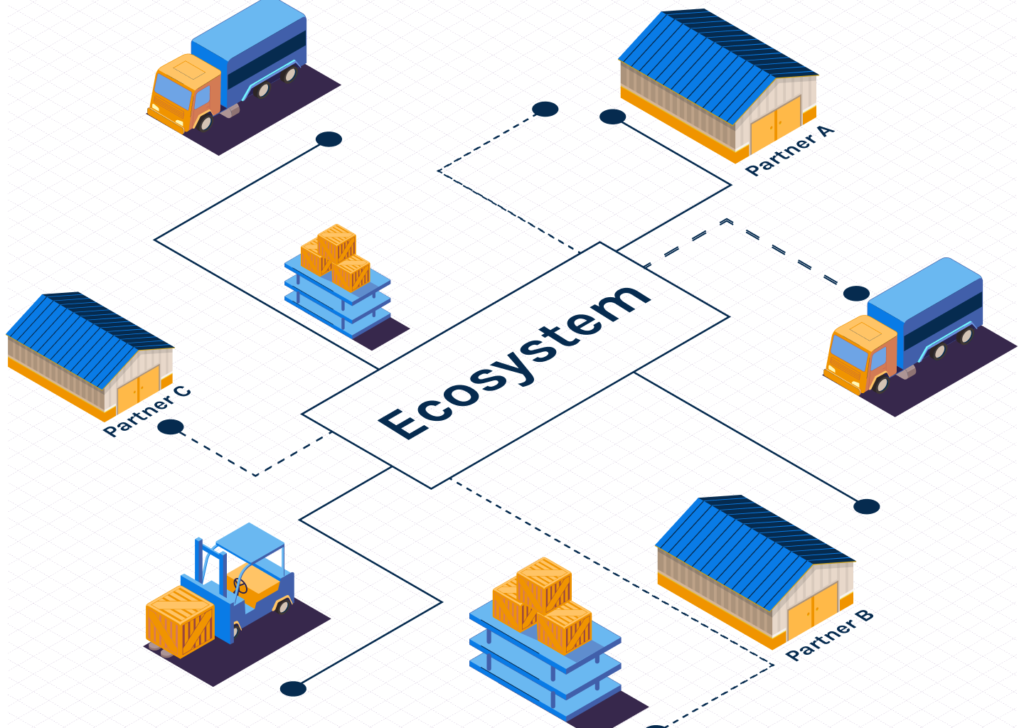
Logistics networks have invested heavily in tracking technologies, yet many still struggle with incomplete asset visibility. The root cause is not missing data but fragmented data spread across disconnected systems. Learn how data fragmentation impacts returnable asset tracking and why observability, not more integrations, is required to restore control.
Why Most Asset Tracking Solutions Fail After The Pilot?
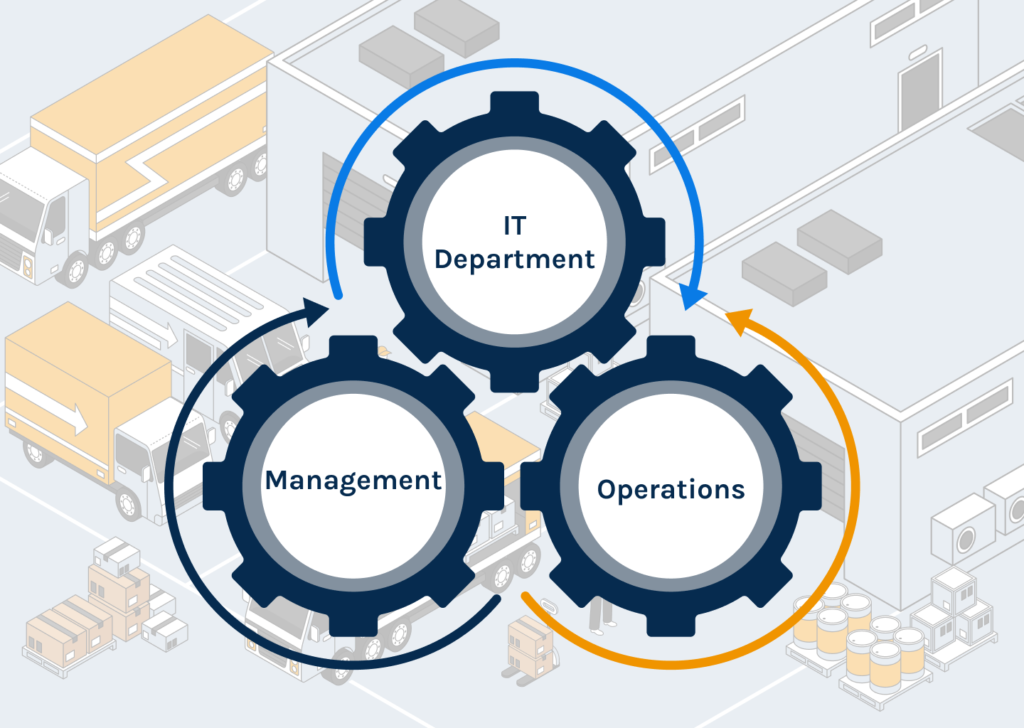
Asset tracking programs and asset tracking solutions implementation don’t survive the initial stages for many supply chain and logistics organizations. The reason is simple – the expectation differs significantly from the reality. Asset tracking solutions are not just about digital dashboards, but more about increasing data handling capabilities and handling scale, integration challenges (with existing systems – ERP, WMS/TMS), providing operational value […]
Plastic Pallet Optimization: Better Fleet Productivity with Analytics

Most returnable asset management solutions overlook how plastic pallet fleets actually behave. This blog breaks down the role of asset-level visibility and predictive analytics in fixing utilization bottlenecks and RTI fleet productivity.
How to Better Scale Supply Chain Pilot Programs
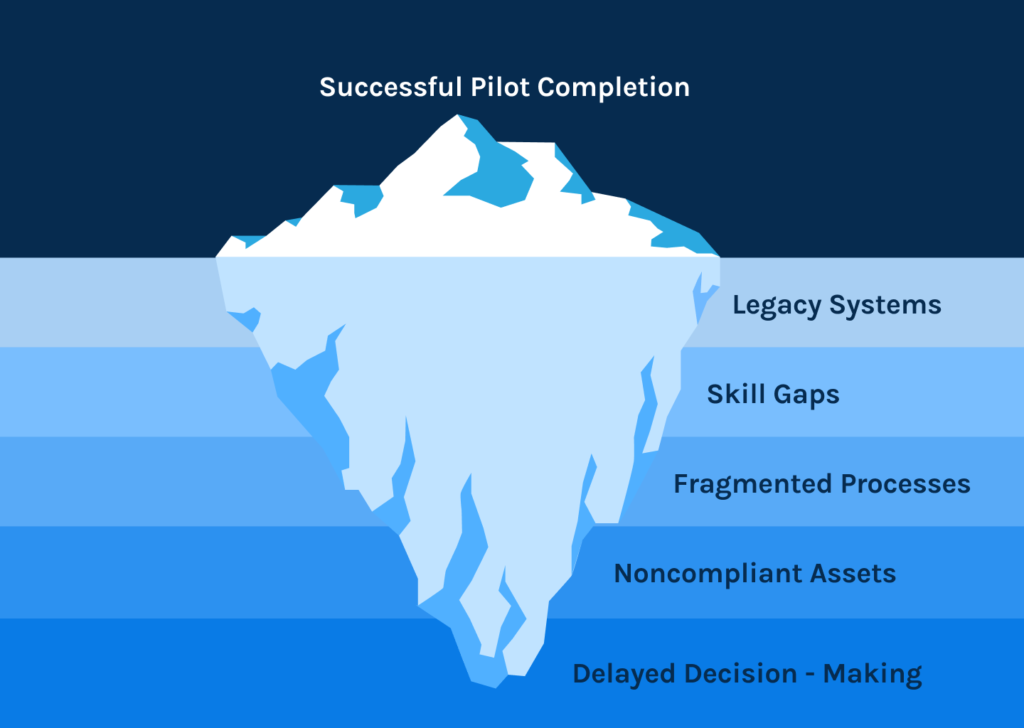
Supply chain pilot programs show promise, but scaling them across real-world operations is where most logistics teams face failure. Inconsistent data, integration challenges, and lack of operational visibility hinder long-term success. This blog explores why logistics pilot programs fail after the pilot phase and how SensaTrak’s platform-first approach ensures scalability, reliability, and measurable results for logistics teams.
Achieving Better Sustainability Compliance in RTI/RTP Fleets under PPWR

RTI/RTP fleets require efficient returnable asset management to meet sustainability compliance. This blog outlines how PPWR regulations can be met through improved asset observability and predictive analytics.